
Action 3 · Strengthen the Network of Support

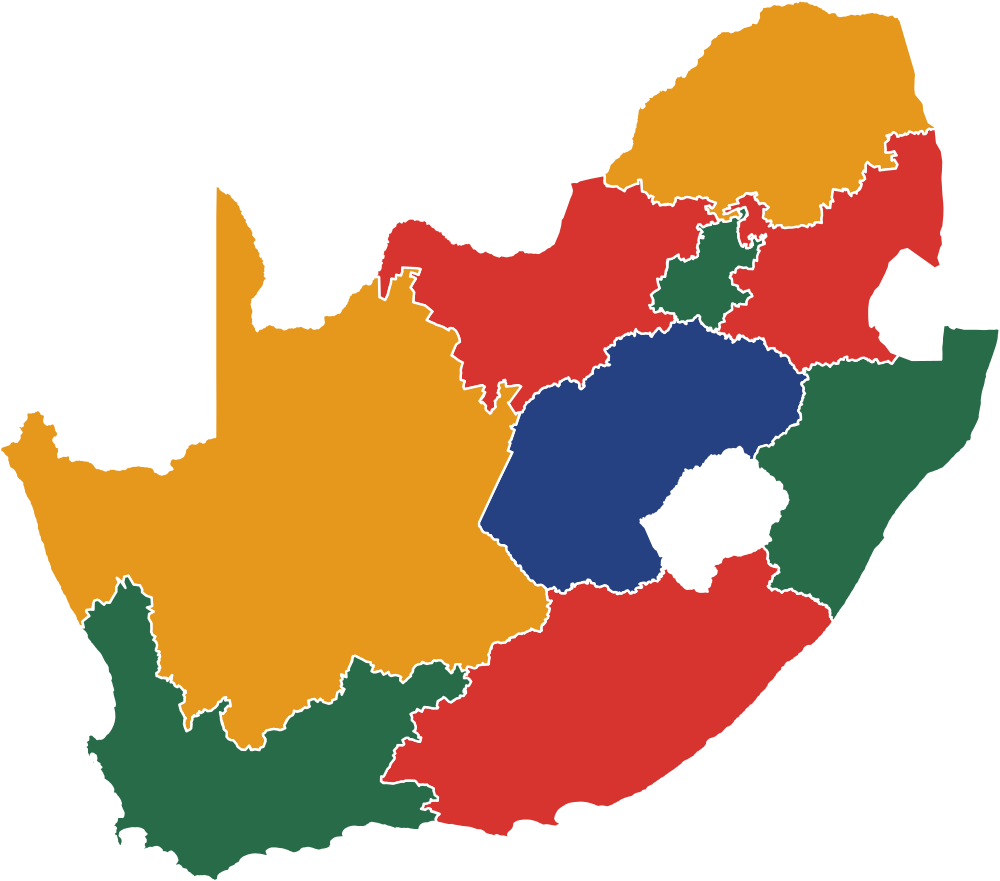
52 Districts and Metros. One Shared Task.
Silver registration unlocks government subsidy support for early learning programmes. In 2026, Bana Pele worked across all nine provinces to strengthen local government’s role in helping more centres reach it.
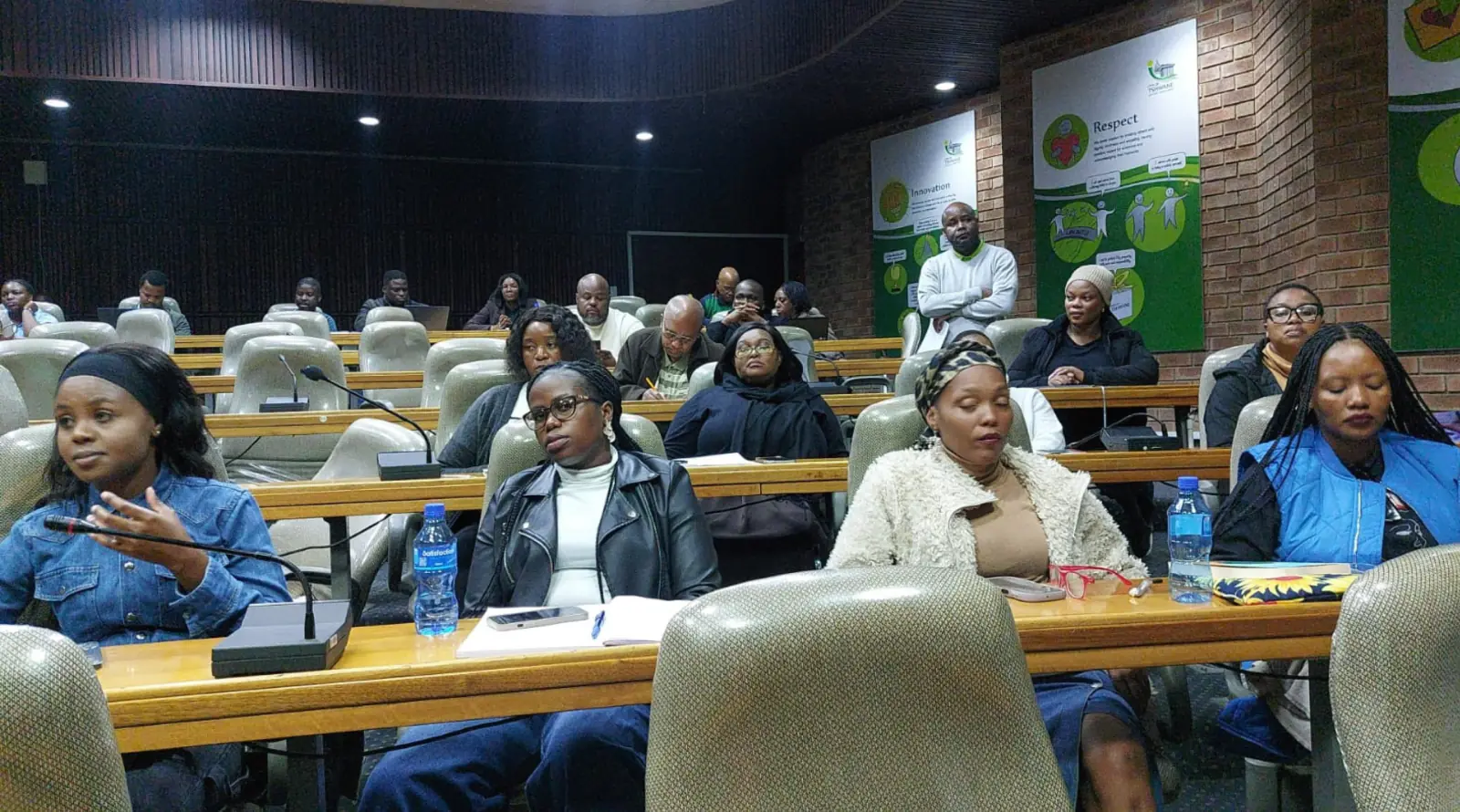
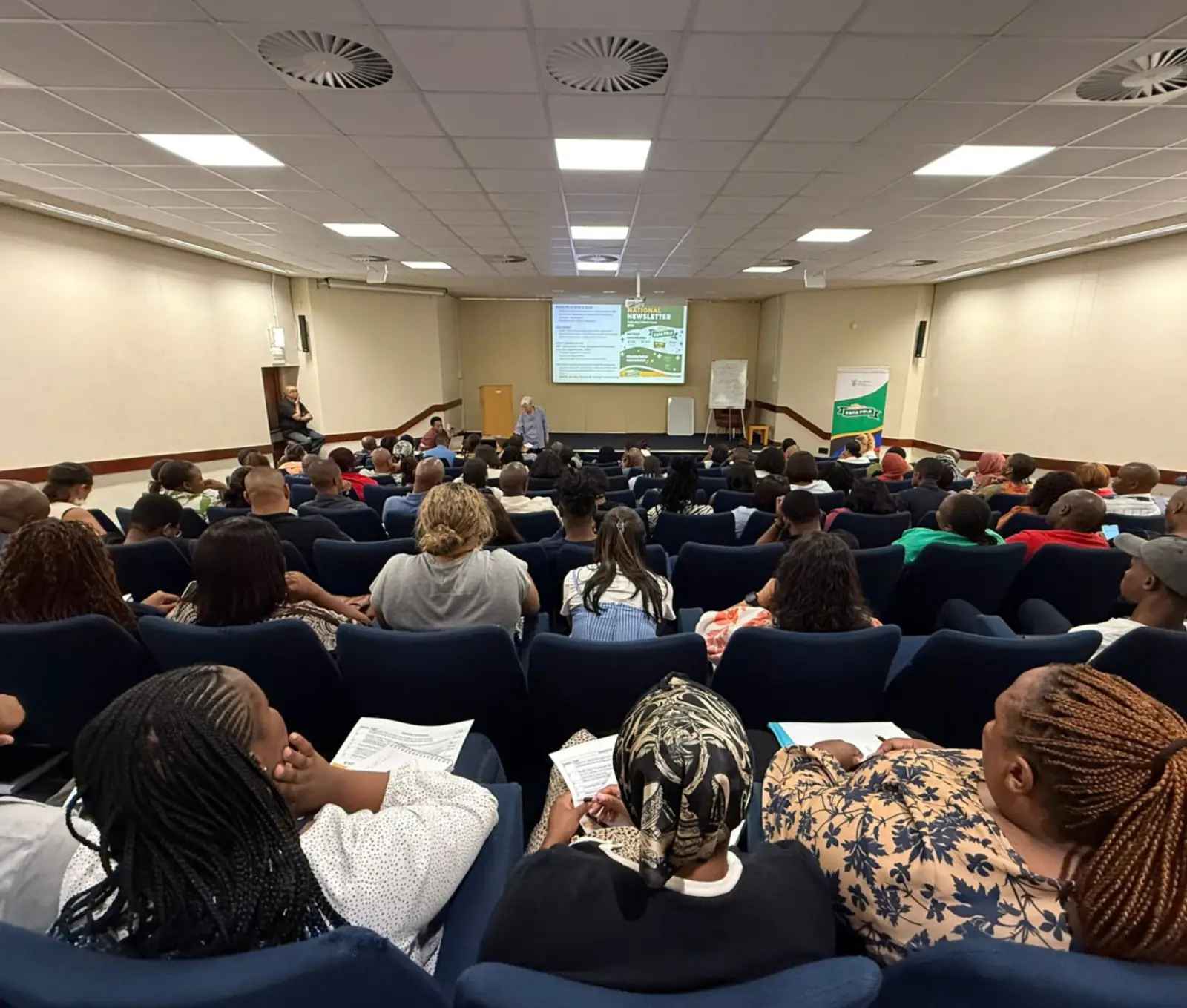
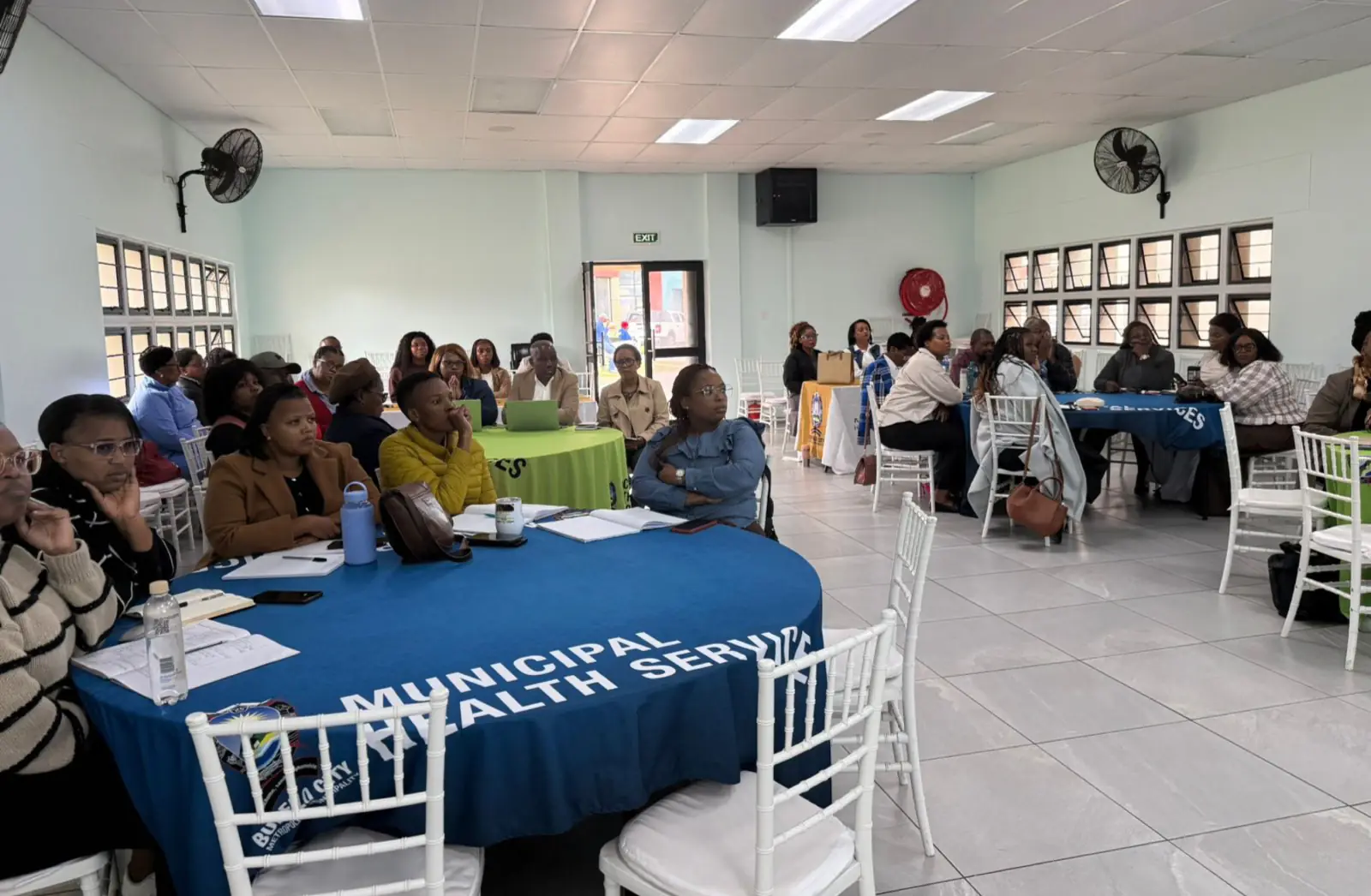
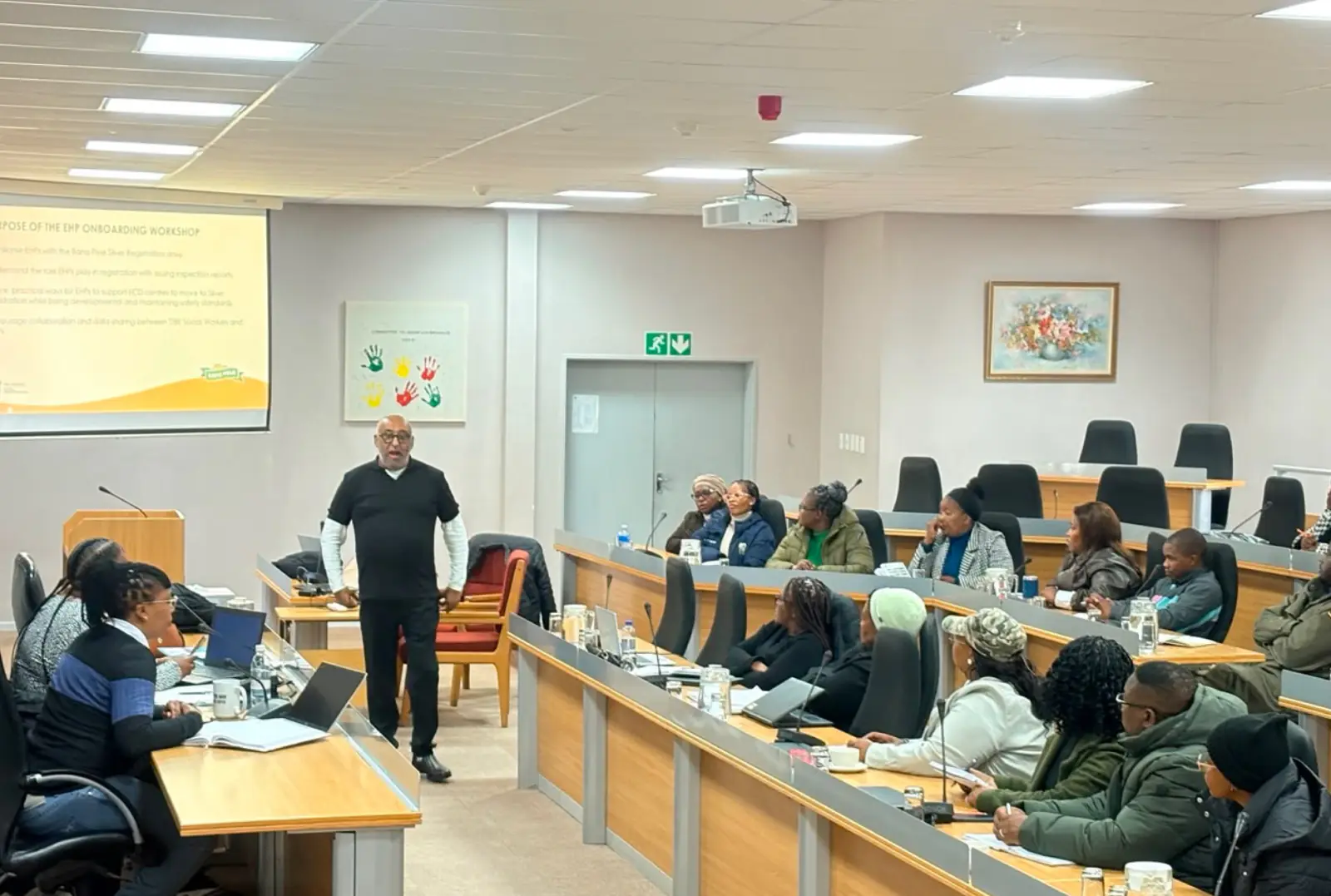
For early learning centres to climb the registration ladder, they will need two visits: one from a social worker, who helps programmes enter the system and improve over time, and one from an Environmental Health Practitioner (EHP), who enforces health and safety requirements. The two professions fall under different tiers of government, and in many districts they had never worked together. So, the campaign began with their managers, then brought both sides together face to face.
But this is bigger than getting two professionals to talk to each other. Provincial and local government operate under different mandates, and early learning programmes often have to navigate both. In poorer communities, that can mean confronting difficult questions of zoning, land use, infrastructure, health and safety before a centre can move forward. Blueprint Action 3 starts from a simple premise: if provincial education departments and municipalities build stronger working relationships, they can solve more of these problems together and give ELPs a clearer, more supportive route through the system.
A national local-government network
What changed when people met?
In the room, an EHP and a social worker found they wanted the same thing. The workshops gave both sides a shared language: protecting children does not have to mean treating every shortcoming as pass or fail. Risks can be identified, improvements required and programmes supported to progress.
“This is where we found each other,” says Zanele Mochechela of the Department of Basic Education.

The shift was small and powerful. A compliance notice already tells a centre what to fix, but the registration system cannot upload a notice. It needs the same findings in a report. Many EHPs were already working developmentally without calling it that.
In workshop after workshop, EHPs and social workers agreed to share lists, set up WhatsApp groups, meet regularly and coordinate visits. In some areas, EHPs have started notifying social workers as soon as an inspection report has been completed so that the next registration step can follow. The effect was visible quickly. In just two months, the number of EHP inspection reports in the system rose from around 700 to over 2,400.
“The facilitator tasked colleagues to work together and avoid statuses because the objective is for the children.”
Participant, onboarding workshop evaluation