
Action 15 · Catalyse Community Hubs

Local hands make light work
Delivering early learning at scale is not just a technical task, it is a community mission. In many areas, the strength of the local response determines whether children are reached, ELP providers are supported and services reflect the lived realities of families. That’s why cultivating Community Hubs, locally rooted groups that foster care, accountability and collective action, is essential.
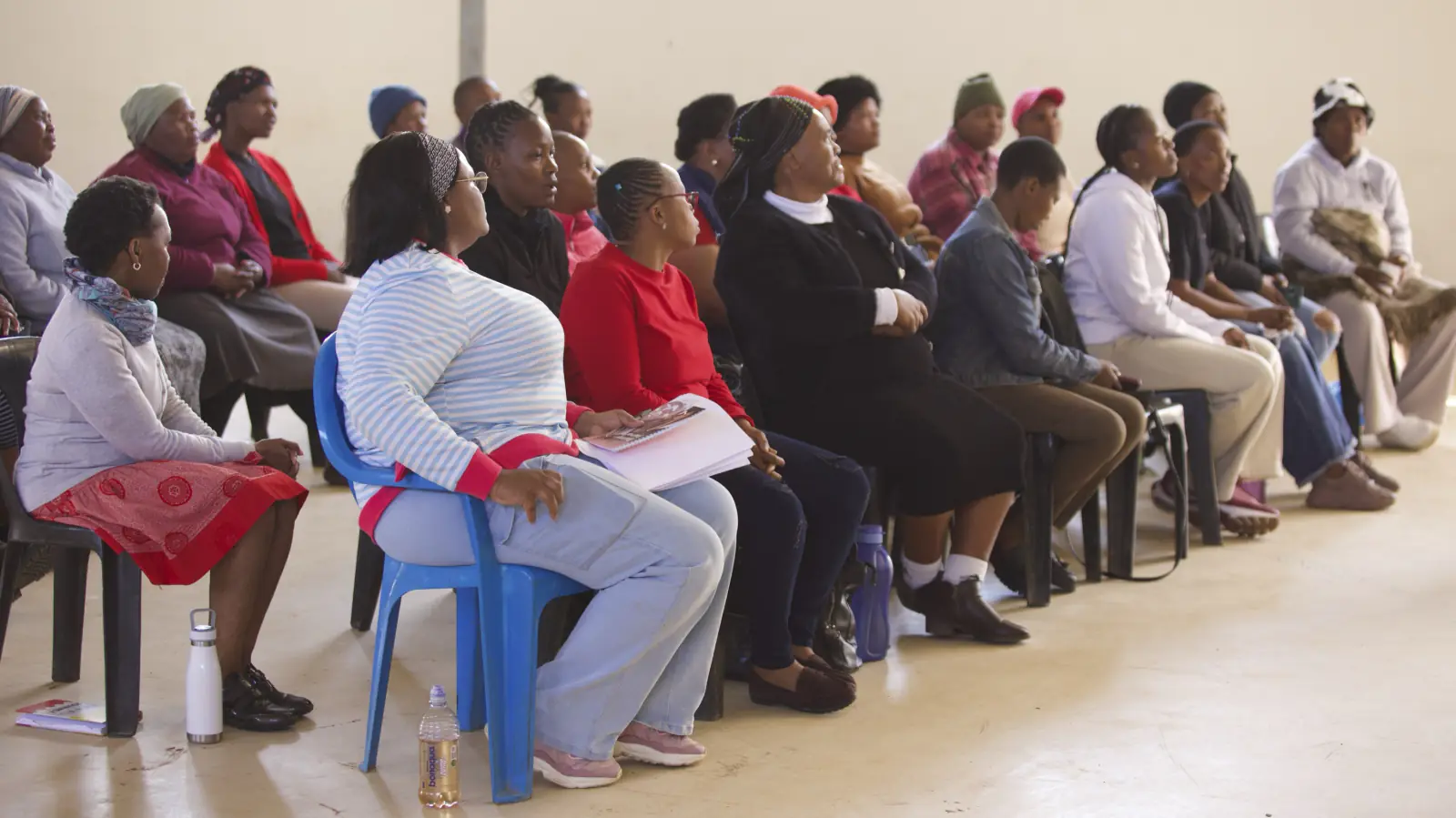
In many communities, the people and organisations supporting young children are already there. It may be an early learning programme, a church, a local NGO, a municipal official, a parent group or a community leader. Each may be doing valuable work.
The problem is that they do not always know what the others are doing, and in communities facing so many crises, early learning can slip down the list of priorities.
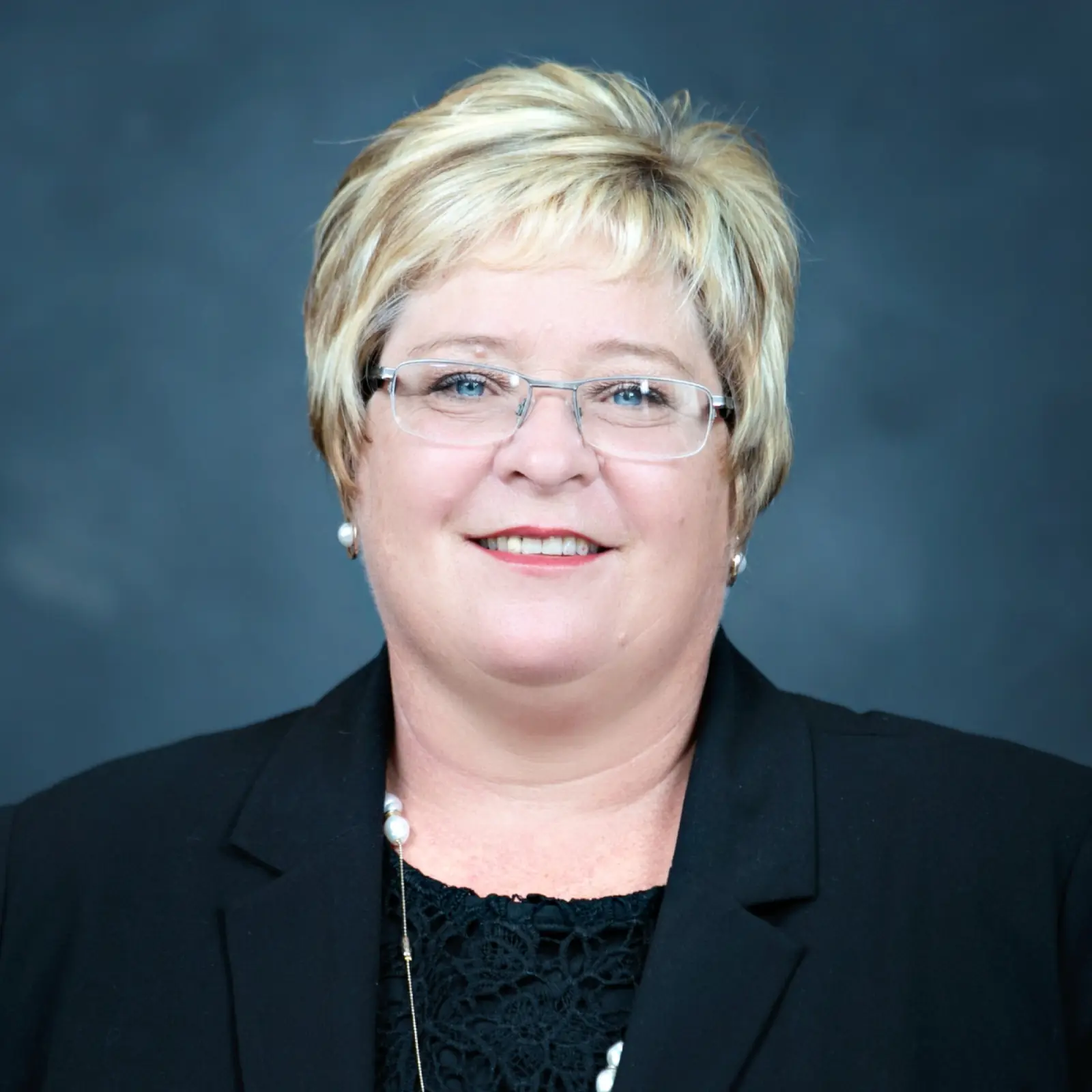
For Monica Stach, CEO, Cotlands and Action 15 Lead, that is where a Bana Pele Community Hub begins.
“The first realisation is often: we’ve never really sat around a table and thought through what we are doing within a community and for children,” she says.
Community Hubs are not intended to create another standalone programme. Instead, Action 15 of the Shared Blueprint asks what could happen if existing people, organisations and resources were better connected around the needs of young children.
The team started by talking to community collectives with deep roots in the places where children are. The Anglican Board of Education for Southern Africa (ABESA) was among them, an organisation that understands the communities it operates in and has long experience in building trust.
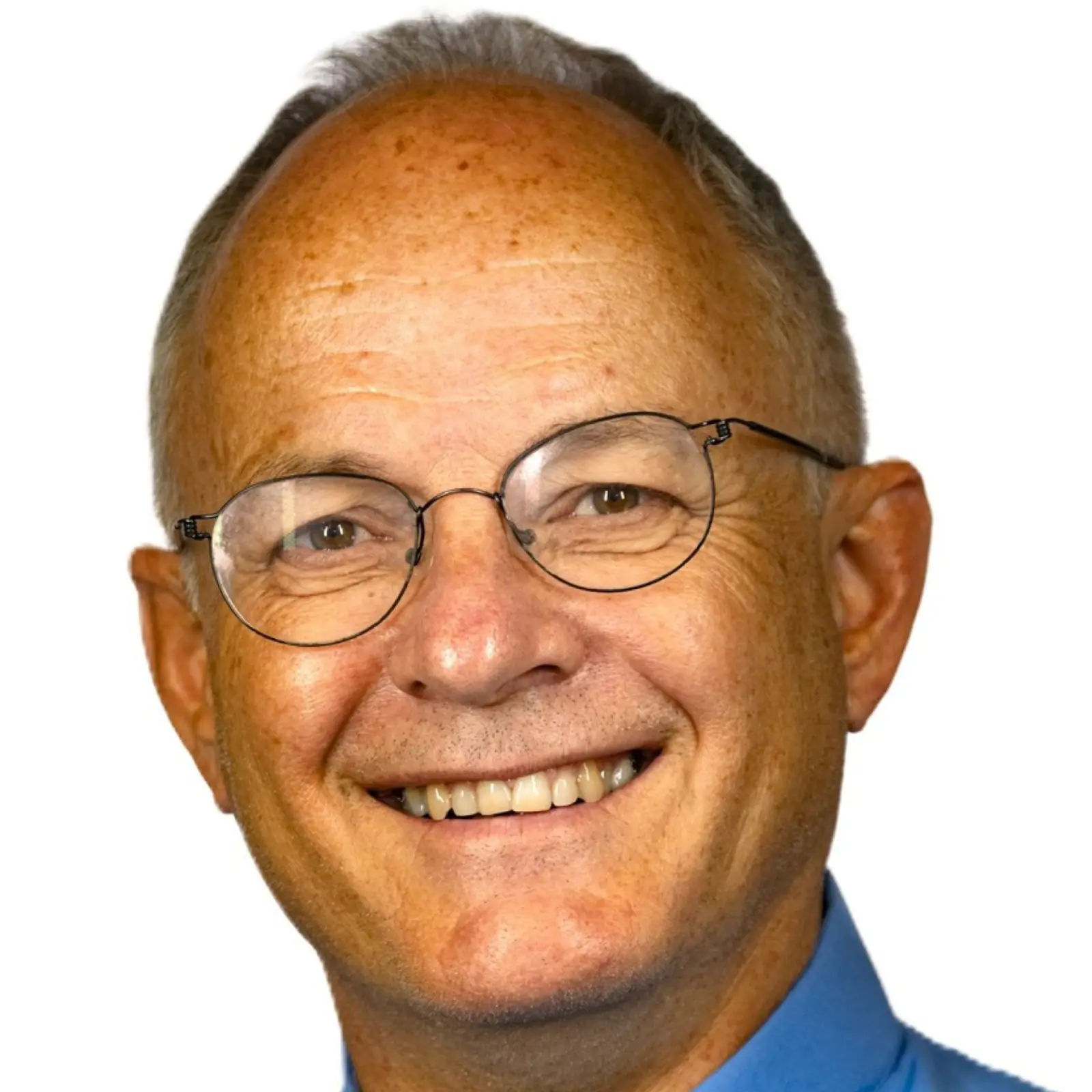
“Before the workshop, I was focused primarily on what our church network could offer through its underutilised infrastructure: parish halls and other spaces that might be repurposed for early learning. What I discovered was something more foundational: the trust of communities. Our infrastructure matters, but it is this trust that gives those physical assets their deeper potential, and allows us to place our spaces, relationships and networks at the service of a shared vision.”
Rev. Jaques Pretorius, Executive Director, ABESA
The conversation began with a simple question: where are the children, and what can we do to make sure all of them are in early learning? These collectives are beginning to answer it, and that work has shaped the six steps below.
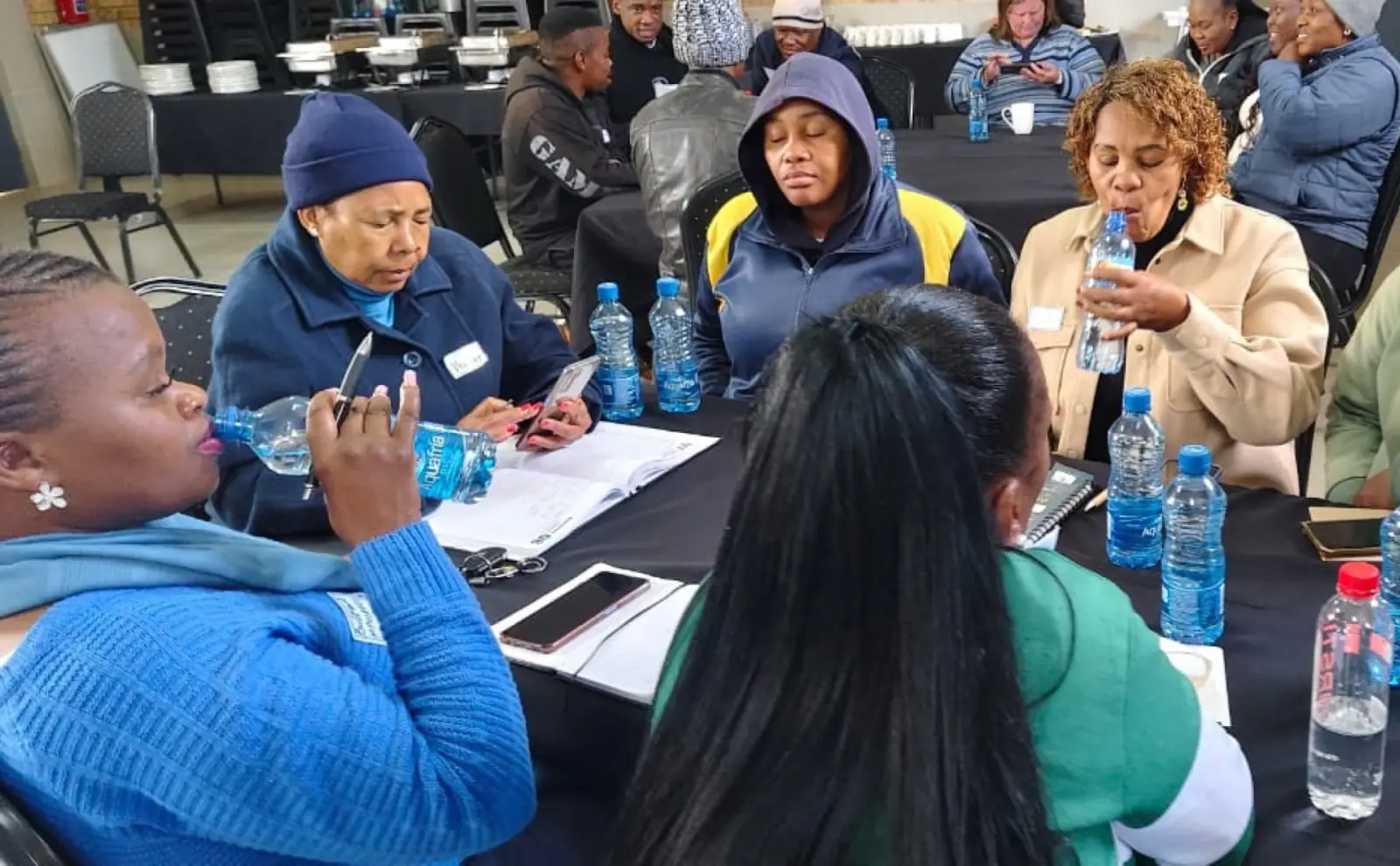
The process starts from a deliberately different place: what is already good here?
Instead of beginning with problems, communities are asked to recognise the people, places, relationships and resources they already have. That shift can change the tone of the conversation.
“There’s this realisation that there’s so much good going on here,” Monica says.
From there, the group identifies what matters most, what greater coordination could make possible and what can begin immediately.
“People realise: nobody’s going to come and do this for us,” Monica says. “We need to use what we have to move stuff forward.”
The result is not a fixed model imposed from above, but a local team, a practical priority and a way to keep moving. The six-step journey is designed to help communities turn what they already have into collective action.
Monica describes the work as one of the “most brave and uncertain” things she has done. Unlike a conventional project, where the activities and outcomes are mapped in advance, the Community Hub approach is deliberately emergent.
“It’s from grassroots levels,” she says. “There’s some magic that happens that’s not tangible when people come together and realise that they can put up their hand and do something meaningful and contribute.”
In Ocean View in the Western Cape, that process has already begun to produce something concrete.
Registration emerged as a priority for the local group. Seven weeks after the initial engagement, community partners were preparing their first registration clinic, drawing on organisations and people already in the room rather than waiting for outside help to arrive.
Rotary, which seemed like an unlikely ECD partner but has long-standing relationships in communities across South Africa, played an important convening role, helping bring people together and secure a space. Participants also realised there was already a registered ECD programme in the community they could learn from. The point was not to bring in a solution from outside, but to organise what was already there.
“Our greatest impact is not only measured by what we build for communities, but by what we empower them to build for themselves. When communities own the vision, shape the plan and lead the action, we do more than deliver projects; we nurture dignity, strengthen collective leadership and lay the foundations for generations of children to thrive.”
Lungiswa Gwaai, Rotary Volunteer and Leader at LEAP Institute

Elsewhere, the value has been in bringing together organisations that had rarely worked with one another. In one community, seven different forums sat around the same table for the first time. Four have since begun moving forward together around activities linked to a potential hub.
The process is evolving as it goes.
Early workshops were dominated by organisational and community leaders. By the fourth, the team realised something important was missing: the voices of parents and practitioners. The approach was changed.
At a workshop in Princess in Gauteng, parents spoke about wanting to understand more about what actually happens in early learning programmes: why children paint, why they build puzzles and why play matters. A father attending a parent-and-toddler group described how participating made him feel more included and more confident in raising his child.
For Monica, that kind of learning is part of the point. The hub is not something designed elsewhere and delivered into a community. It has to be shaped by the people who live there.
So far, five communities have been involved in the prototyping work: Atlantis and Ocean View in the Western Cape, Mthatha in the Eastern Cape, and Princess and Olievenhoutbosch in Gauteng.
Where Community Hubs are taking shape
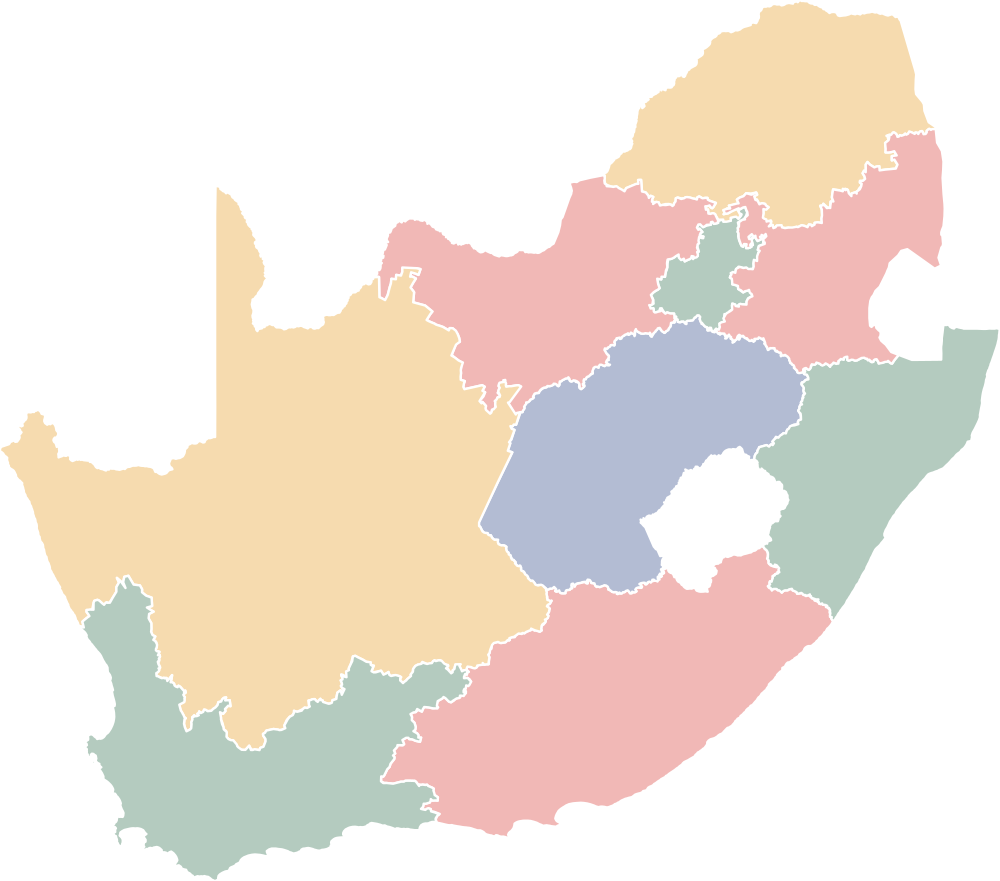 Western CapeAtlantisOcean ViewEastern CapeMthathaGautengPrincessOlievenhoutbosch
What ultimately makes a hub successful will not look identical in all five places. One may focus first on registration. Another may build stronger parent support. Another may identify children who are not yet accessing early learning and find ways to connect them with services.
“What excites me is the local ownership, just the agency and the ownership of this, wanting to do this for ourselves because ultimately we can benefit, but those around us also benefit.”