
Thought leadership
From Neighbourhood to Nation
How we must learn together to bring quality early learning within reach of every child
5 min read
Connected by a common challenge
 South AfricaBrazilRwandaIndiaIndonesia
Children continue to grow and develop rapidly every day. They cannot wait for us to get everything aligned. We must respond at scale, with speed, and sustain the change.”
Sanjay Purohit
Every child growing up in a South African township, an Indian village or a Brazilian city, needs nurturing care, opportunities to play and the foundations for learning. Their needs are the same, while the network of people, services and resources around them may be very specific to their context. As our countries work towards strengthening such networks, children continue to grow and develop rapidly every day. They cannot wait for us to get everything aligned. We must respond at scale, with speed, and sustain the change.
Over the past few years I have had the opportunity to spend time in South Africa, India, Brazil, Rwanda and Indonesia to better understand how access to, and quality of, early learning are being improved. Each country brings different experiences and approaches to a challenge that no one can solve alone. It is evident that the answers do not lie in finding a silver bullet that we can copy, but in learning from one another to develop responses suited to our contexts. It is about pushing the boundaries with new ideas.
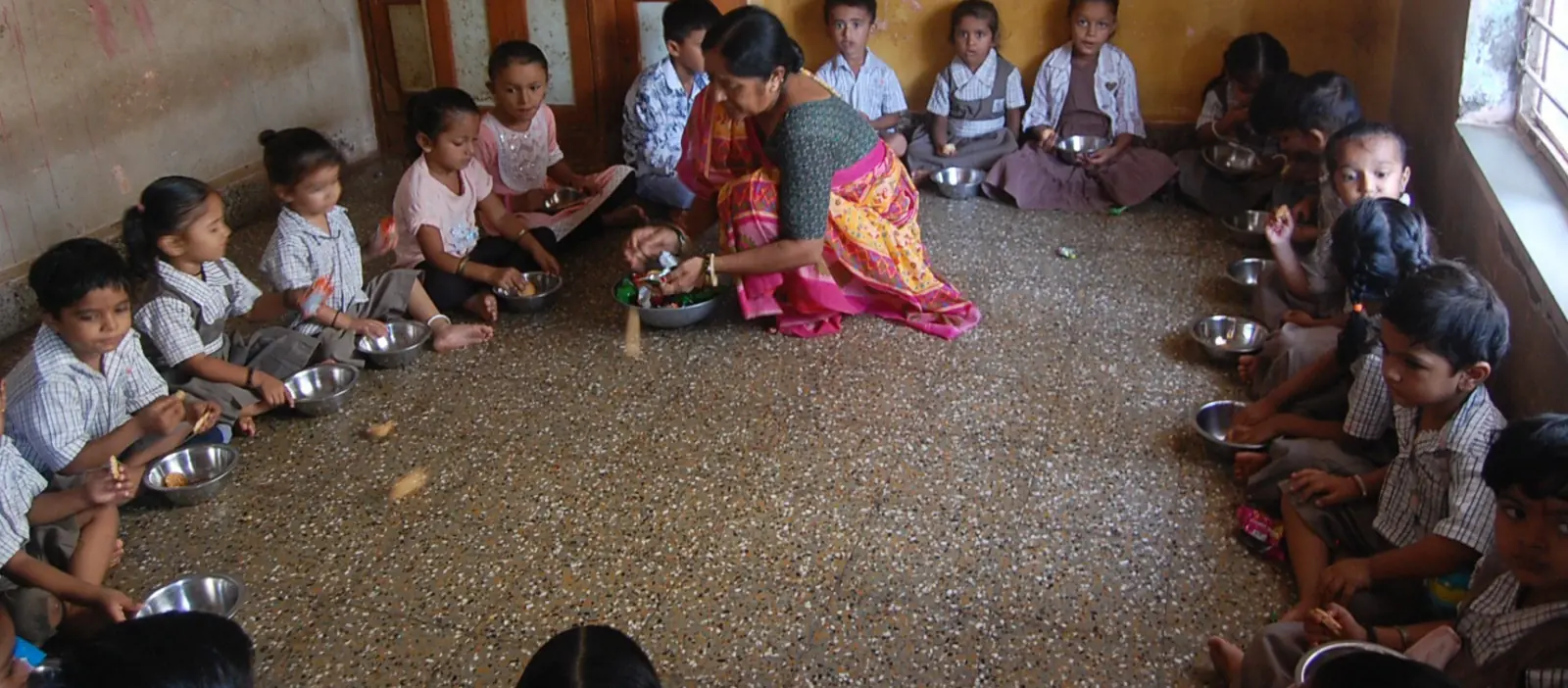
An example from India illustrates how different actors in the ecosystem can collaborate around children. Bachpan Manao, Badhte Jao (Celebrate Childhood, Cheer Growth in Hindi) is a campaign celebrating the abundance of childhood for children aged 0–8. It brings together more than 100 civil society organisations, government and the private sector around a shared narrative and a commitment to collective action. The movement has been building rapidly, aligning key stakeholders around a shared effort to support children’s development.
In Brazil, the State of Piauí launched a new National Identity Card (CIN) for newborn babies. This initiative records a child’s biometric identity and connects it with their mother’s identity in maternity hospitals. It aims to strengthen the child protection network, ensure the delivery of healthcare services and, over time, effectively migrate all children into quality early learning programmes. By enabling an integrated development pathway for the child, it can serve as a model that may be adapted by other countries.
There are many more such social innovations that can be exchanged and leveraged through cooperation between countries of the Global South to expand access for children, act with the urgency their early years require and build improvements that last. To reach every child, we need to be unified in our purpose and yet embrace diversity of ideas without becoming uniform in our response. We have to strengthen the care and learning available today while creating a better system for tomorrow.
Meanwhile, many effective solutions have been deployed across South Africa’s early learning landscape. The question is how to extend the benefits of these approaches to all those historically excluded in such a diverse country. South Africa’s Bana Pele (Children First in Sesotho) initiative and its Shared Blueprint to Achieve Universal Access to Quality Early Learning, developed by the Department of Basic Education and partners across the sector, sets out a collective approach to expanding access to quality early learning.
Before the Blueprint was developed, I spent some time with organisations working on the ground including SmartStart, to understand how they build networks of local franchisees; Grow ECD, to see how they combine livelihoods with early learning; and Ilifa Labantwana, to understand how they have built their own coalition of partners. Each brought deep expertise, strong community relationships and varied approaches to supporting practitioners and parents, improving quality and extending access.
What stood out was that these organisations and institutions came together to shape the Blueprint itself. Rather than developing a strategy and then inviting partners to implement it, South Africa drew on the experience and relationships already present in the sector. Bana Pele’s opportunity is to connect and strengthen those capabilities without requiring every organisation to set aside its expertise or follow a cookie-cutter approach. In practice, this begins with the network of care closest to each child: the parents, caregivers, early learning practitioners and partners who shape their earliest experiences.

Achieving scale is not simply a question of establishing more centres, it is about enabling many different networks of care to become stronger.”
Sanjay Purohit
For a child without access to an early learning programme, support may begin at home, by helping a parent or caregiver introduce more play, conversation and responsive care into everyday life. For another attending a small programme, it may mean connecting the daycare’s staff to training, learning materials or more experienced early learning providers. Community organisations and local government officials can strengthen these immediate relationships. Achieving scale is not simply a question of establishing more centres, it is about enabling many different networks of care to become stronger.
Making this possible requires what I believe is a “beginner’s mind”: recognising that none of us has all the answers, remaining curious about what others have learned and being willing to try new approaches. It means working across disciplines, organisations and communities, and bringing different people together to solve problems rather than working in isolation. The same principle applies across borders, where different experiences can deepen our collective understanding of how to support young children.
The lesson is that reaching more children does not always require creating something entirely new. It can also mean making useful ideas and resources more widely available through existing systems. South Africa can draw on this experience while developing approaches suited to its own communities. Lasting change depends on whether early access and better-supported networks build the kind of momentum that grows into a genuine movement, with people at every level becoming problem-solvers in their own right, not simply recipients of a plan designed elsewhere. That ability to keep learning, adapting and acting as circumstances change is what makes progress sustainable.
Universal access to quality early learning is an ambition shared across developing countries in the Global South, but making it possible begins in homes, early learning centres and communities. We will not achieve it by finding one perfect model for every setting. We will achieve it by strengthening the people and relationships that support children and ensuring that what is learned in one place can benefit countless others. That is how change travels from neighbourhoods to nation.
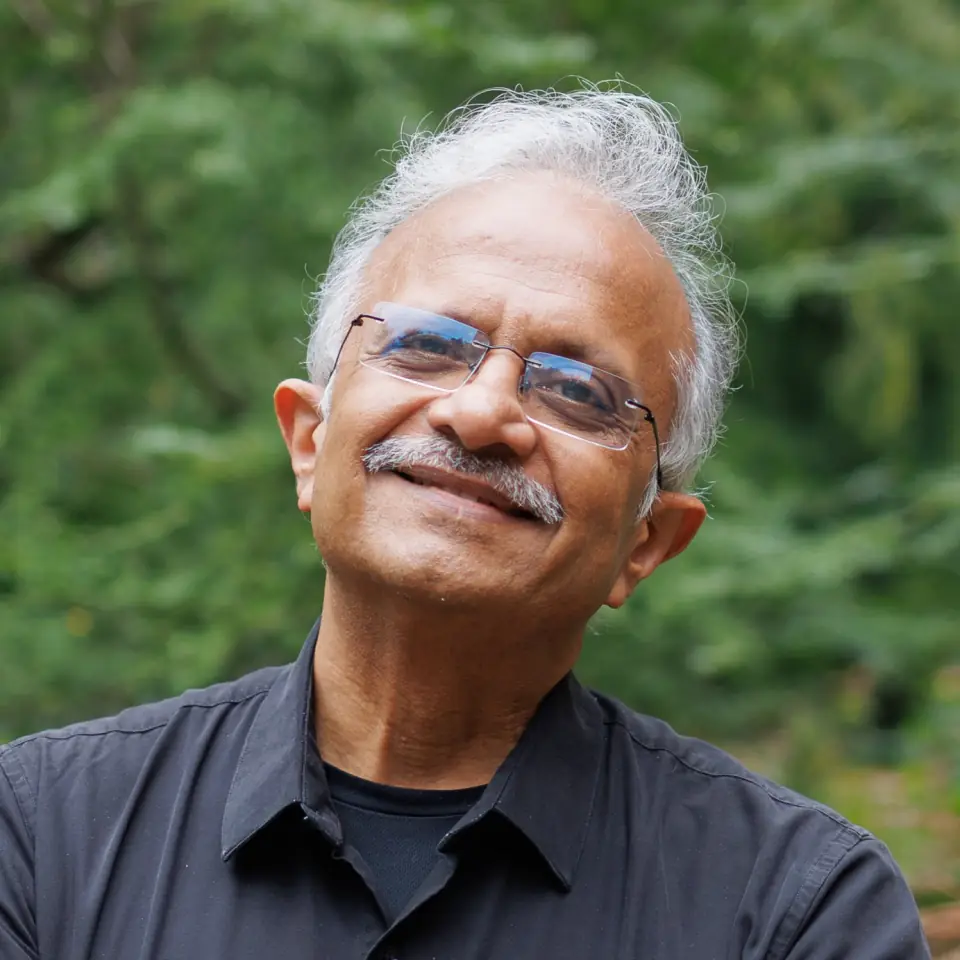
Sanjay Purohit is CEO and Chief Curator of the Centre for Exponential Change, which supports people and organisations working to address complex societal challenges at scale through shared knowledge, collaborative design, funding and mentoring.