
Action 9 · Co-create a compelling shared narrative

Listening for a Shared Story
Bana Pele is not starting with a message and asking communities to repeat it. The Blueprint calls for a narrative co-created with families, providers, partners and community leaders, grounded in listening and shaped by the real voices of those involved. So we began by listening: to parents, practitioners and grandparents in the Eastern Cape, KwaZulu-Natal and Gauteng, and to children. People said what they already believe about care, learning, respect and what young children need to thrive. What came back was not one neat answer, but shared truths, tensions and possibilities.
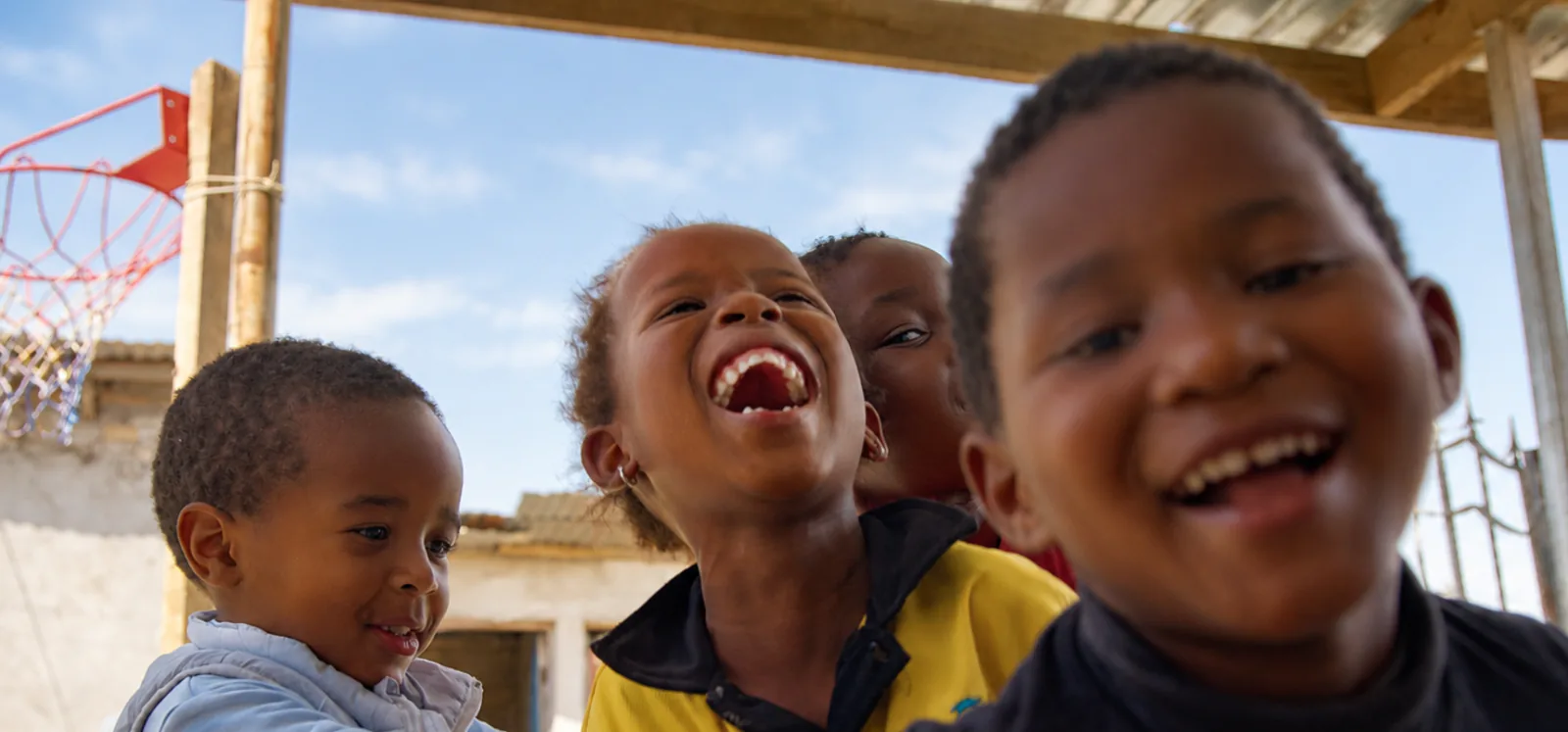
“Grown ups say children are very nosy and are always full of news and stories.”
The same ideas kept coming up: love, attention, trust, safety, play, belonging and the freedom to speak. So did a tension about how adults hear children who question, correct or speak confidently. The point is not to smooth it away. It is to understand it.
“We are not inventing a new story, we are making it visible and putting the child at the centre of it. To do that, we have to listen first to the people already living that story.”
Uvania Naidoo, Department of Basic Education and Action 9 Lead

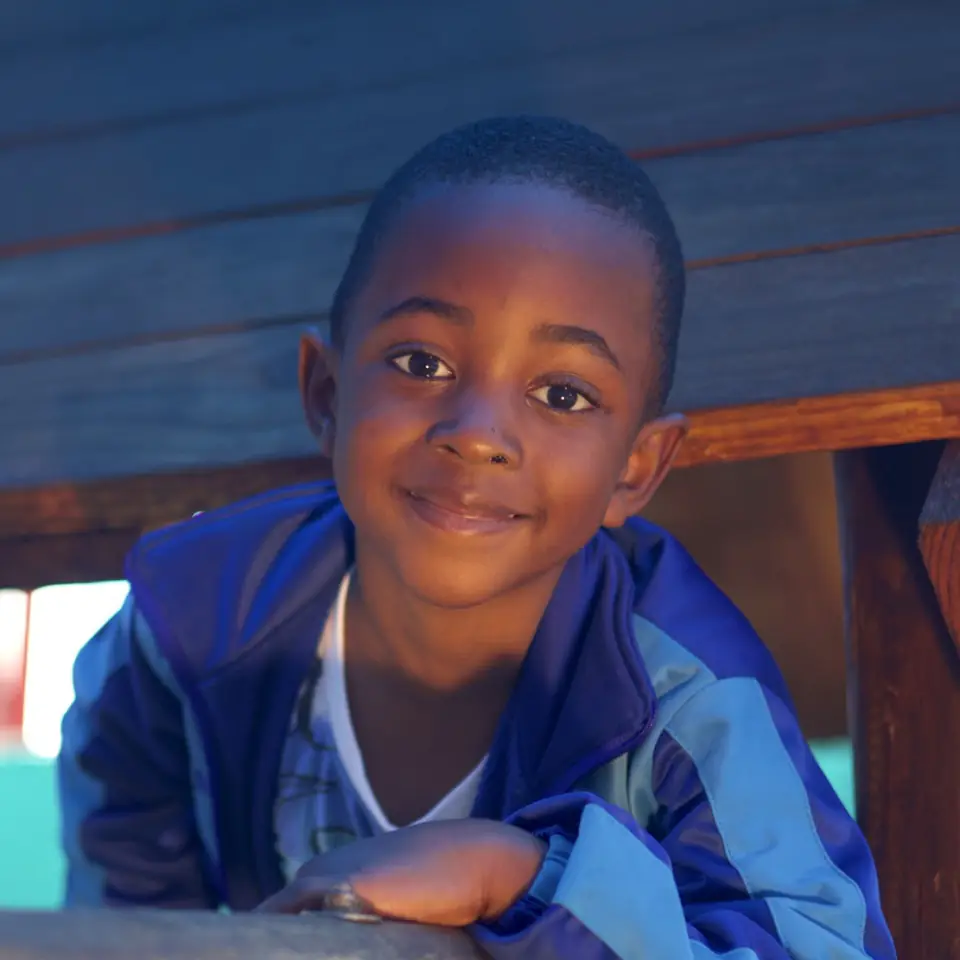
“I am little, but I have good ideas too.”
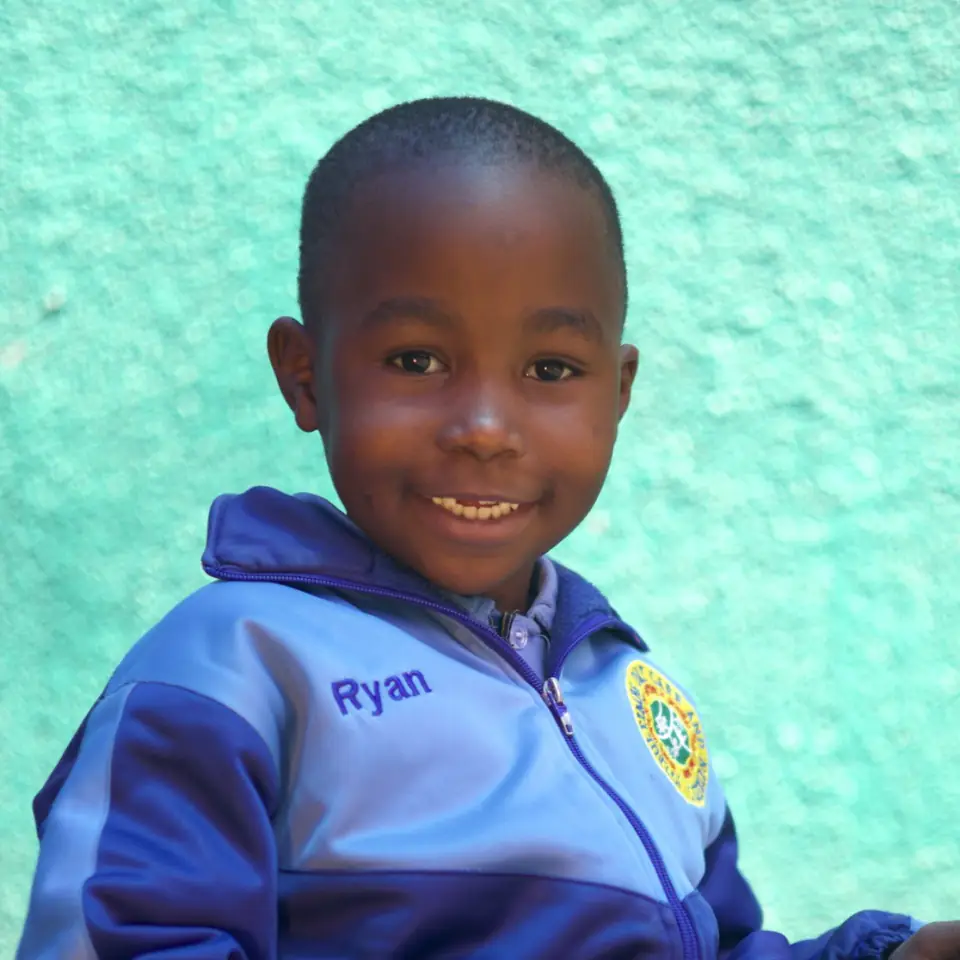
“When I cry, I don’t want shouting, I want a hug.”
What we are hearing
Across the conversations, hundreds of individual experiences begin to converge around five ideas about what young children need to thrive. They are not campaign messages imposed from above, but a synthesis of what children, parents, grandparents and practitioners are already telling us: that children need to be seen, heard, trusted as learners, held by a community and rooted in a place of their own.
Listening is not only about finding the right words. It is also how a movement grows from the ground up, by building trust, creating resonance and giving people a story they can recognise as their own.
These five insights turn those voices into a shared narrative, without losing the people behind them.
Insight 1
Our children are seen
A child’s first experience of care is knowing that someone is paying attention.
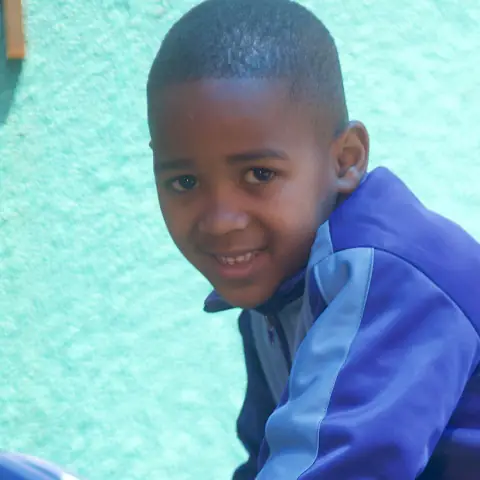
“I like when mommy plays with me and doesn’t look at her phone.”
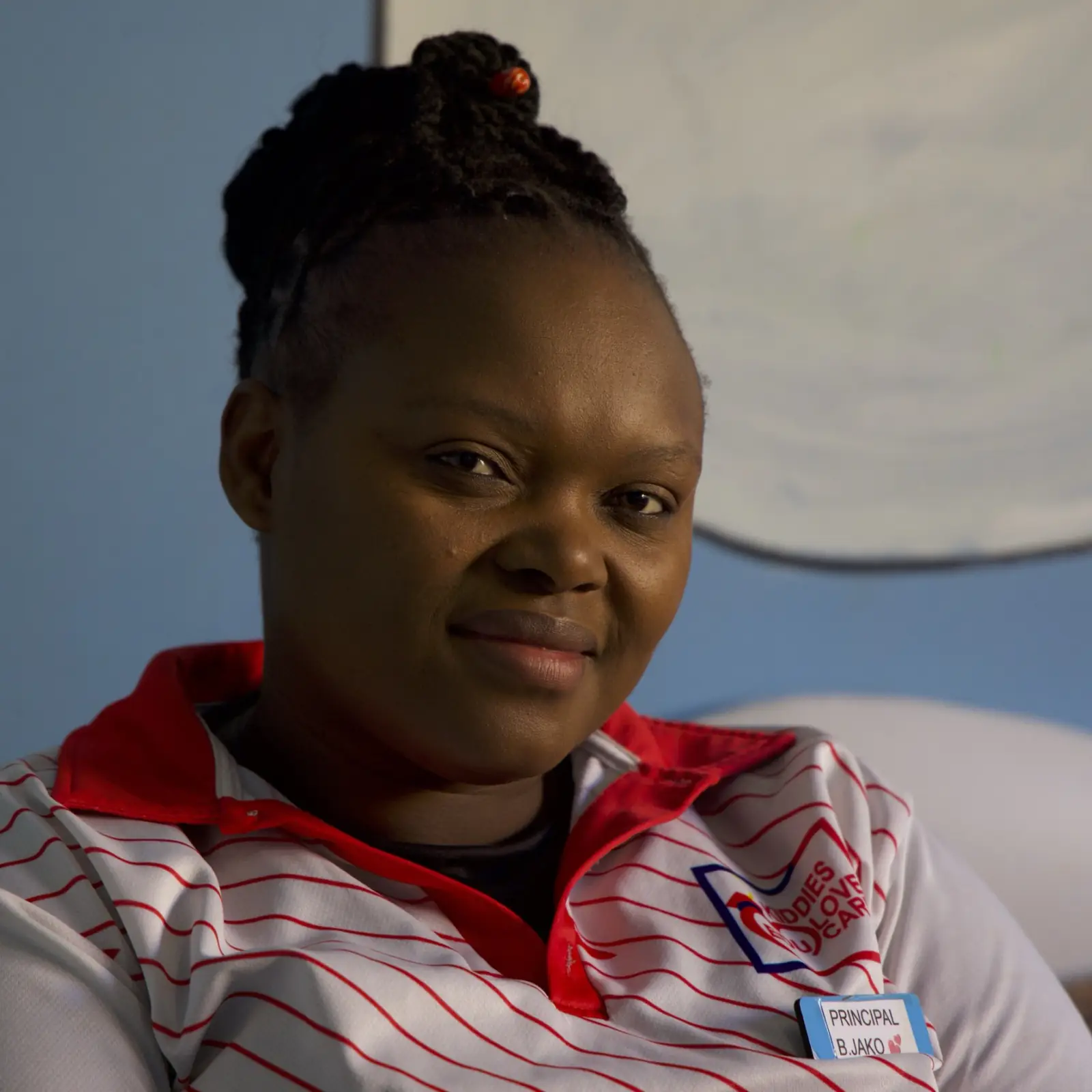
“A parent’s contribution comes down to whether they have time for their child, rather than pushing phones, TV and the internet on them.”
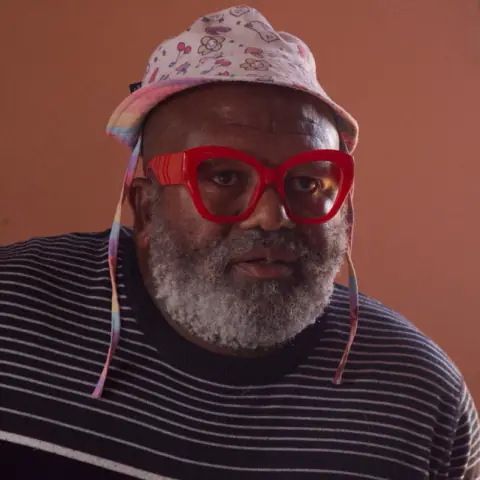
“Try to give your children as much time as possible, make sure you’re always present with your child.”
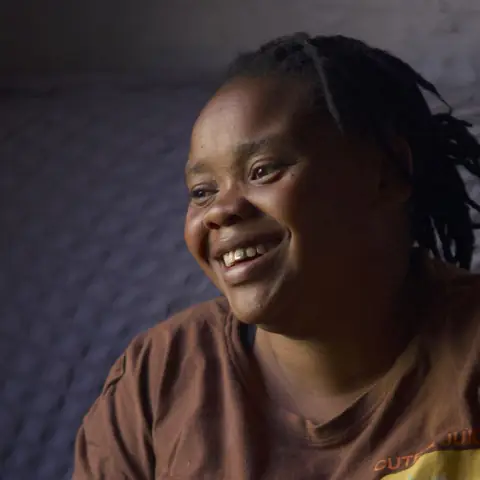
“When you hug them and they hug you back, you can see their self-confidence, and that’s the first thing I notice, when they run to you.”
Insight 2
Our children are heard
When children know they will be listened to, they learn that their thoughts, questions and feelings matter.
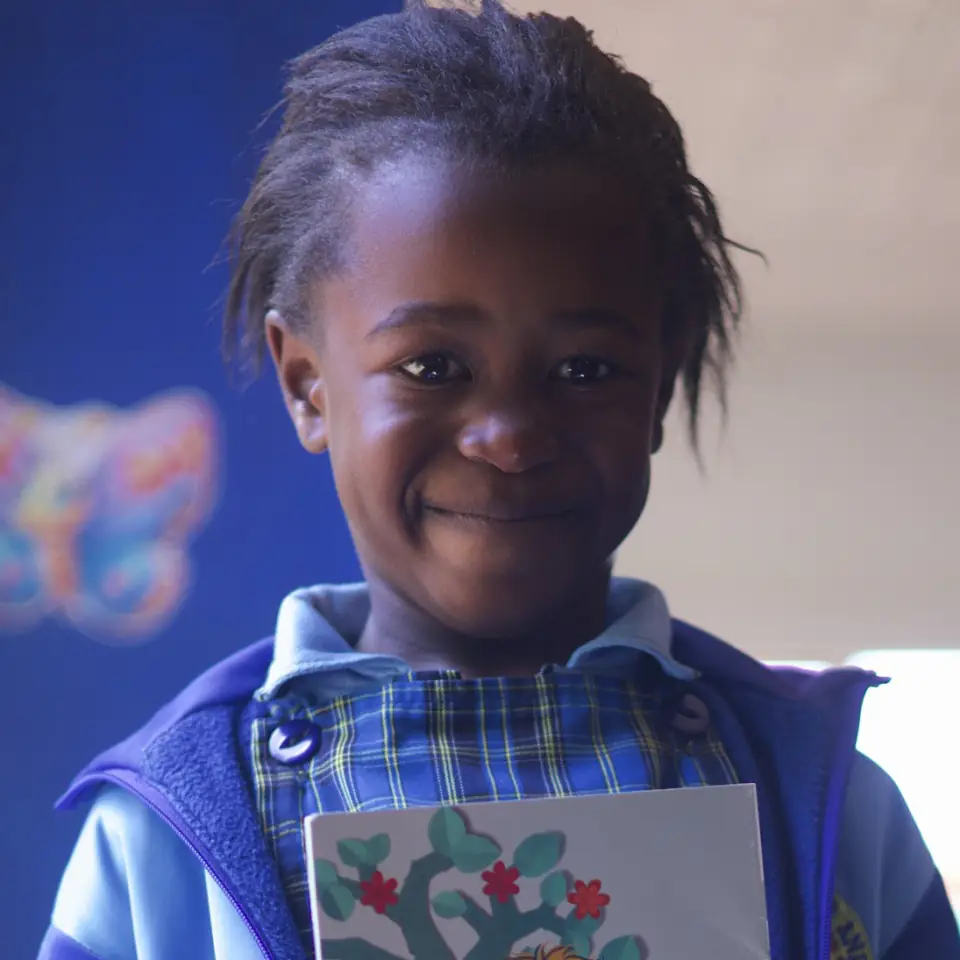
“When I talk and people really listen, it makes me feel happy.”
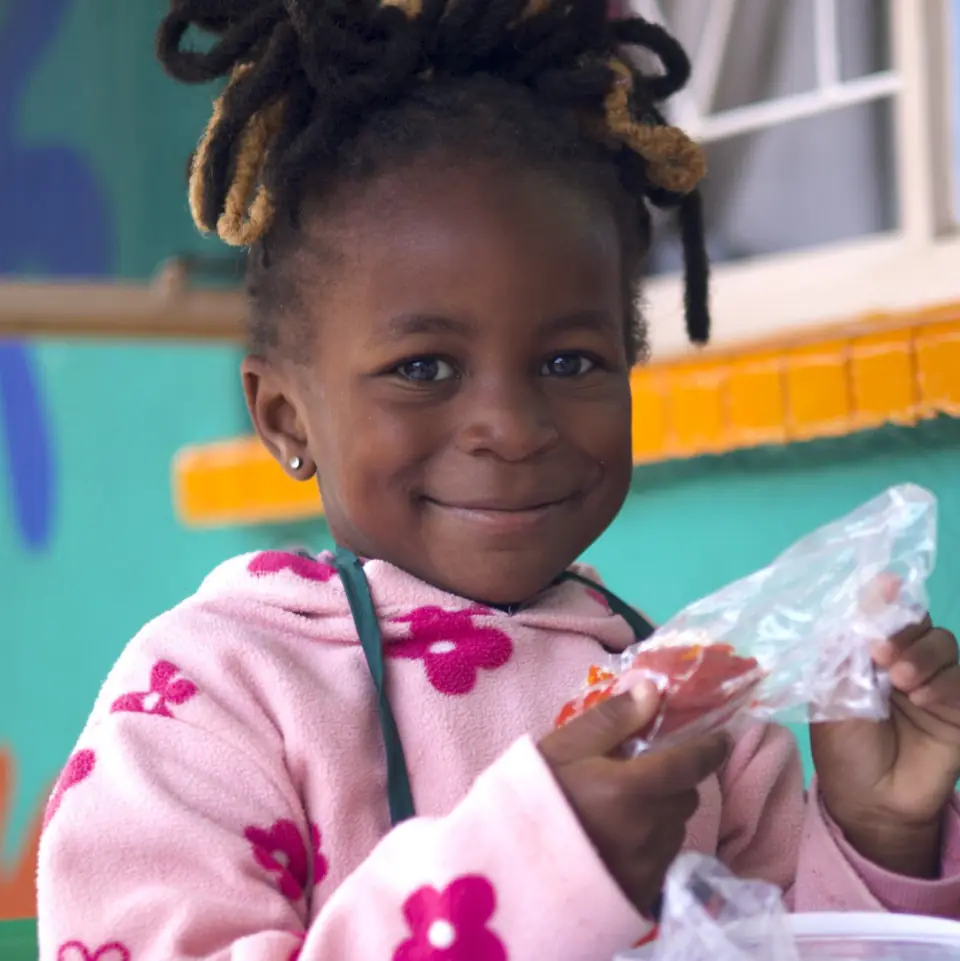
“Sometimes I don’t ask for help because I think adults are busy.”
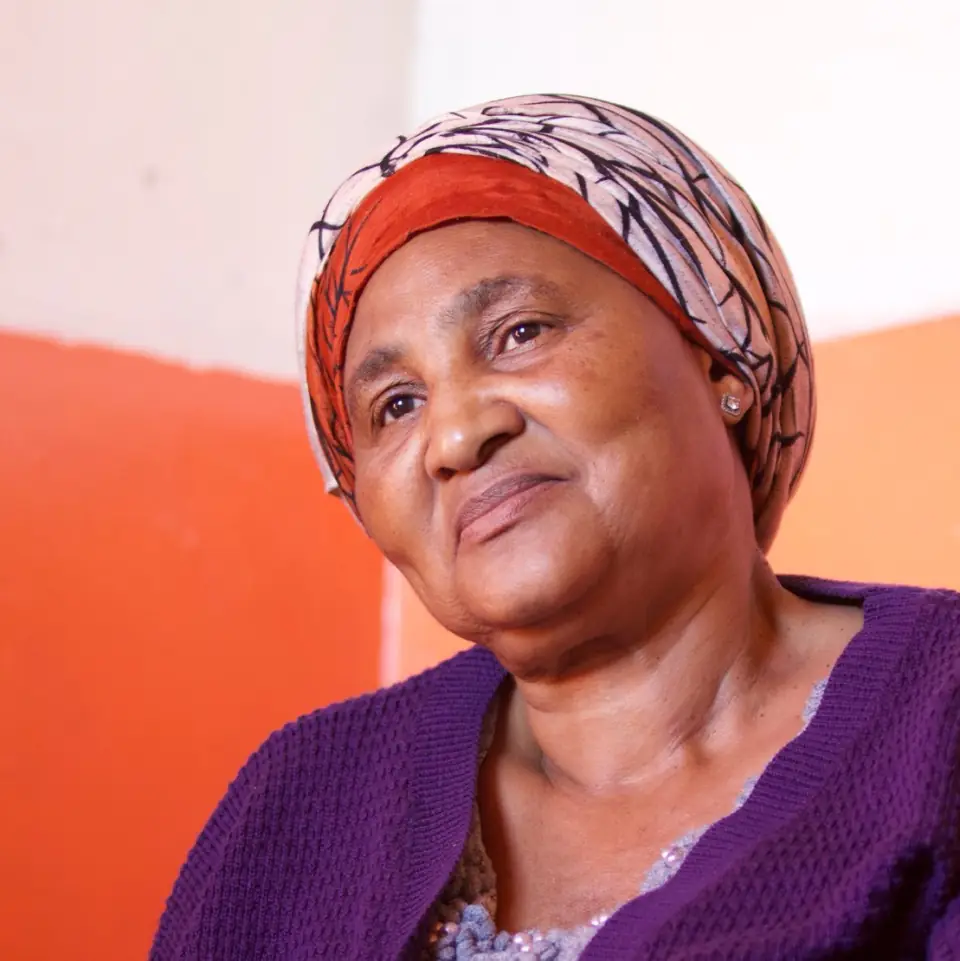
“Now, as a grandparent, I realise I need to be a lot more mindful in how I speak… because I’m speaking to an actual, self-aware young person.”
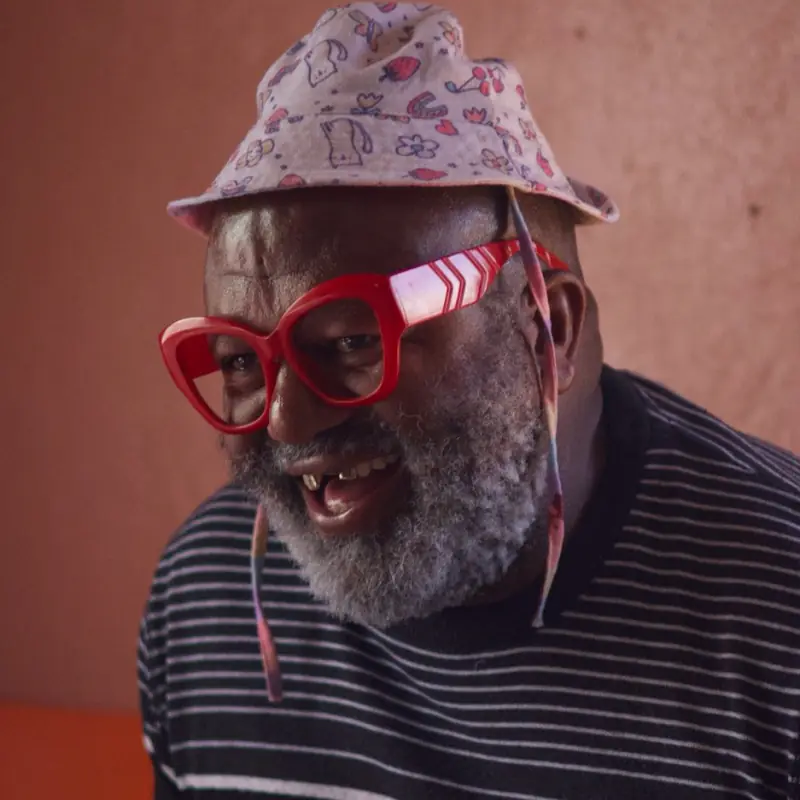
“The rule here is that when a grown-up walks in, the kids move away from the living room out of respect for the adults. Children don’t talk back.”
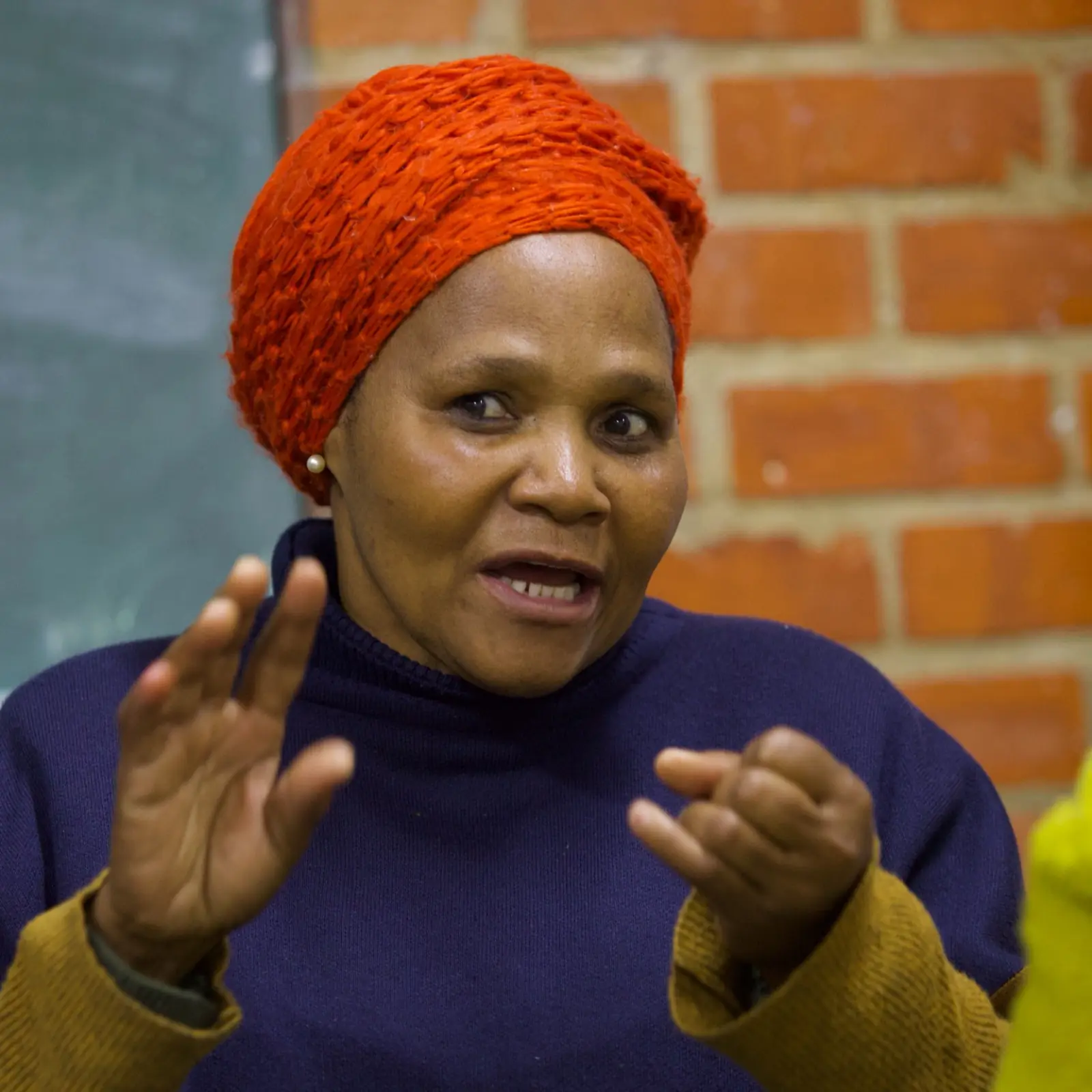
“Sometimes, because children these days talk back… it sits uncomfortably with you. But then you realise this is how they’ve been taught to speak up for themselves, so they can be understood.”
Insight 3
Our children are born learners
Children are learning long before anyone calls it a lesson: through play, trying, watching, asking and doing things for themselves.
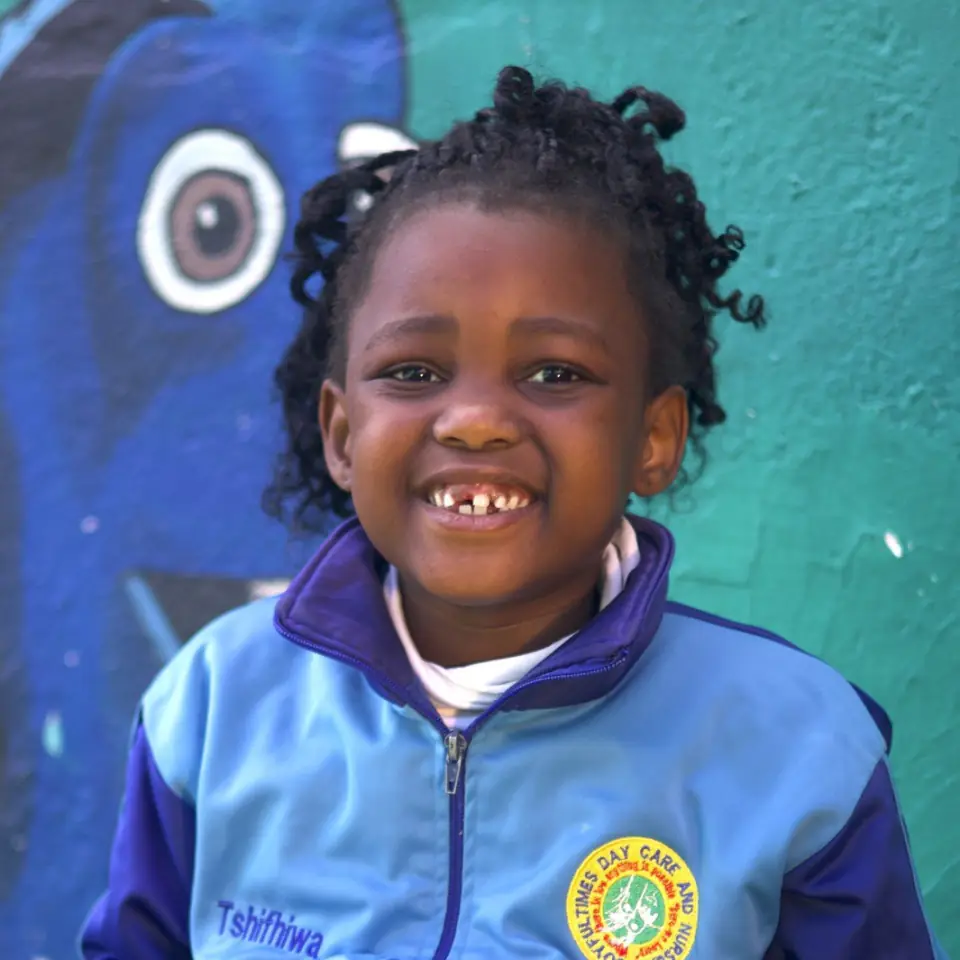
“If I make a mistake, I can try again and learn.”
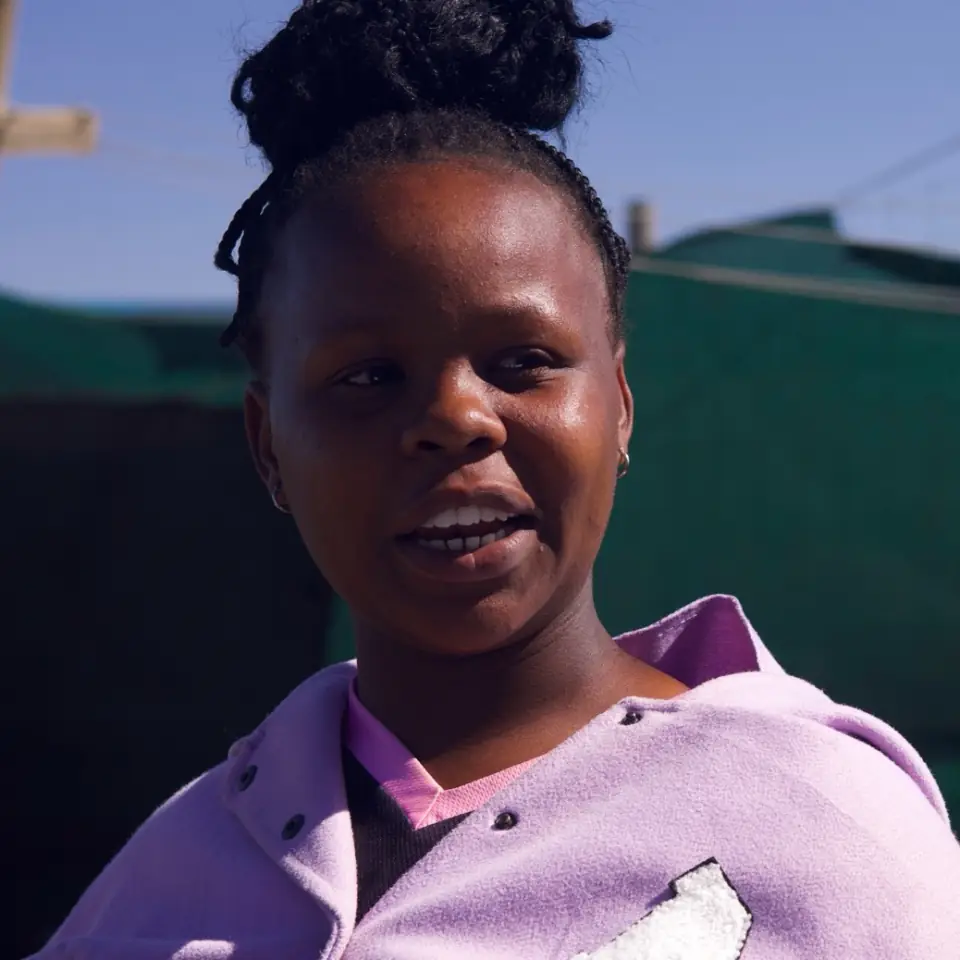
“My child said, Mama, remember sharing is caring.”
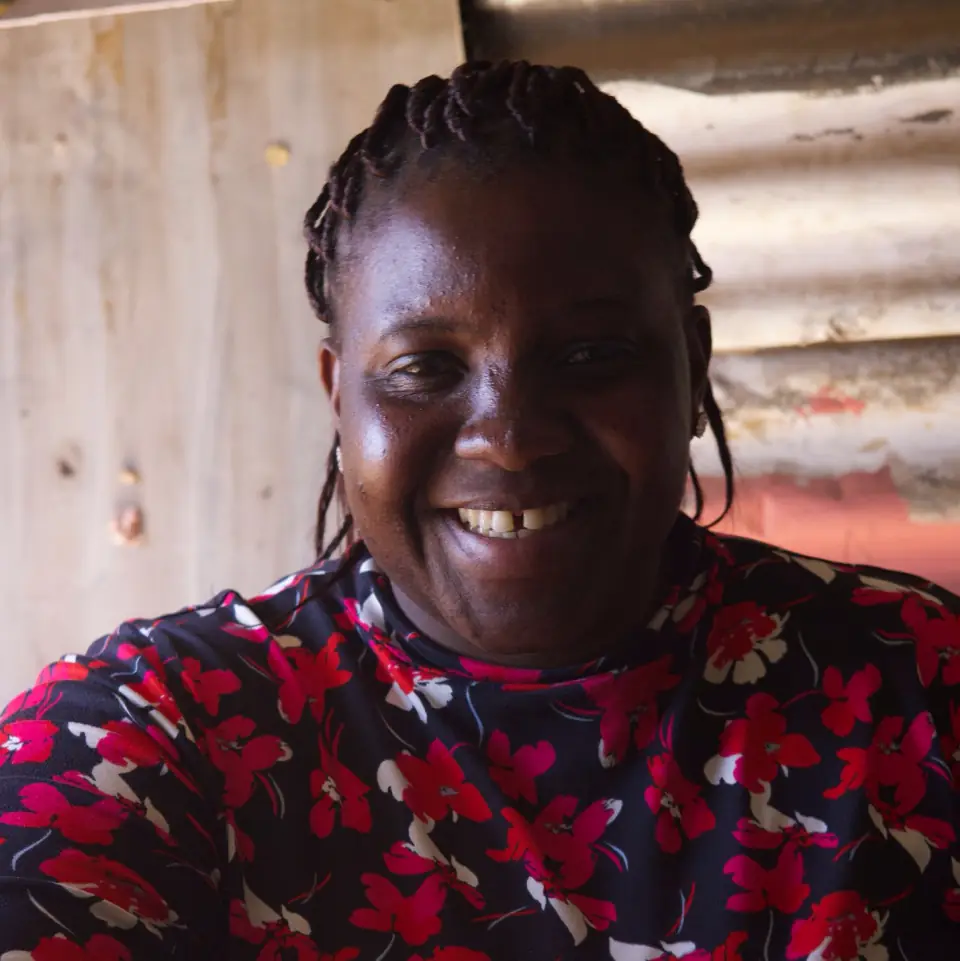
“He comes home and teaches me too.”
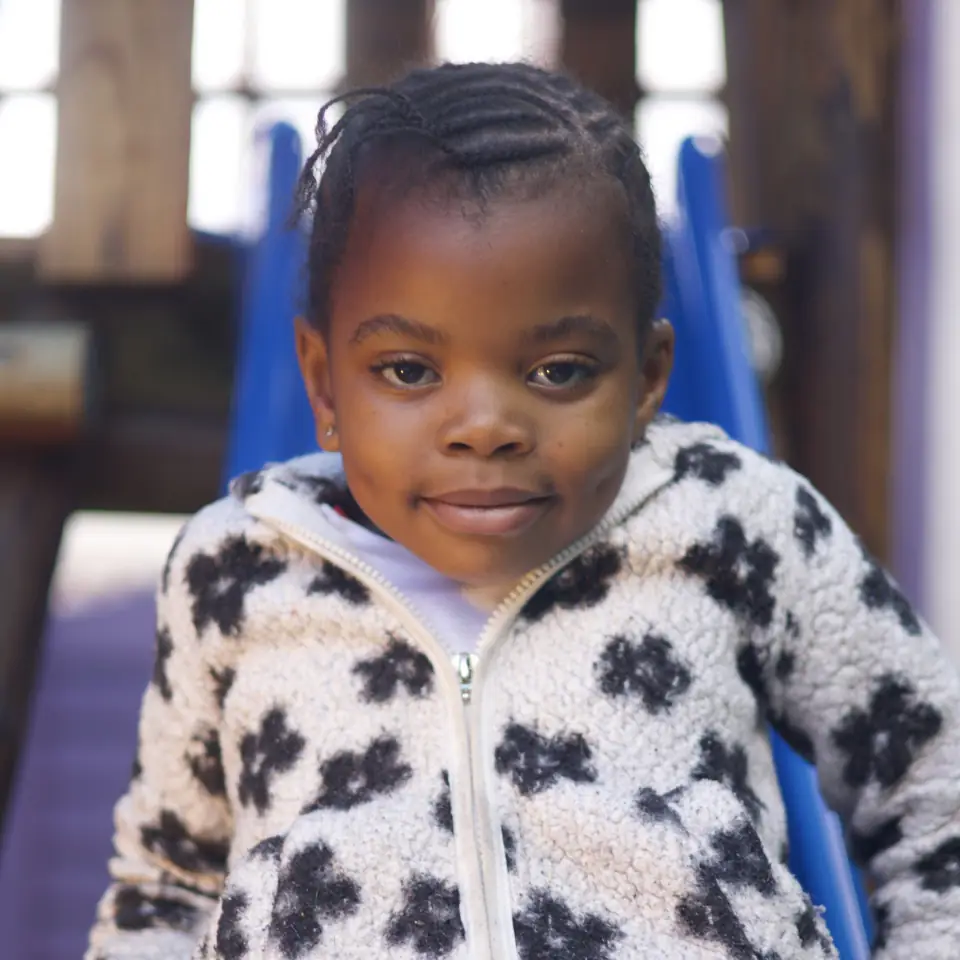
“Sometimes I know how to do it, I just need a little time.”
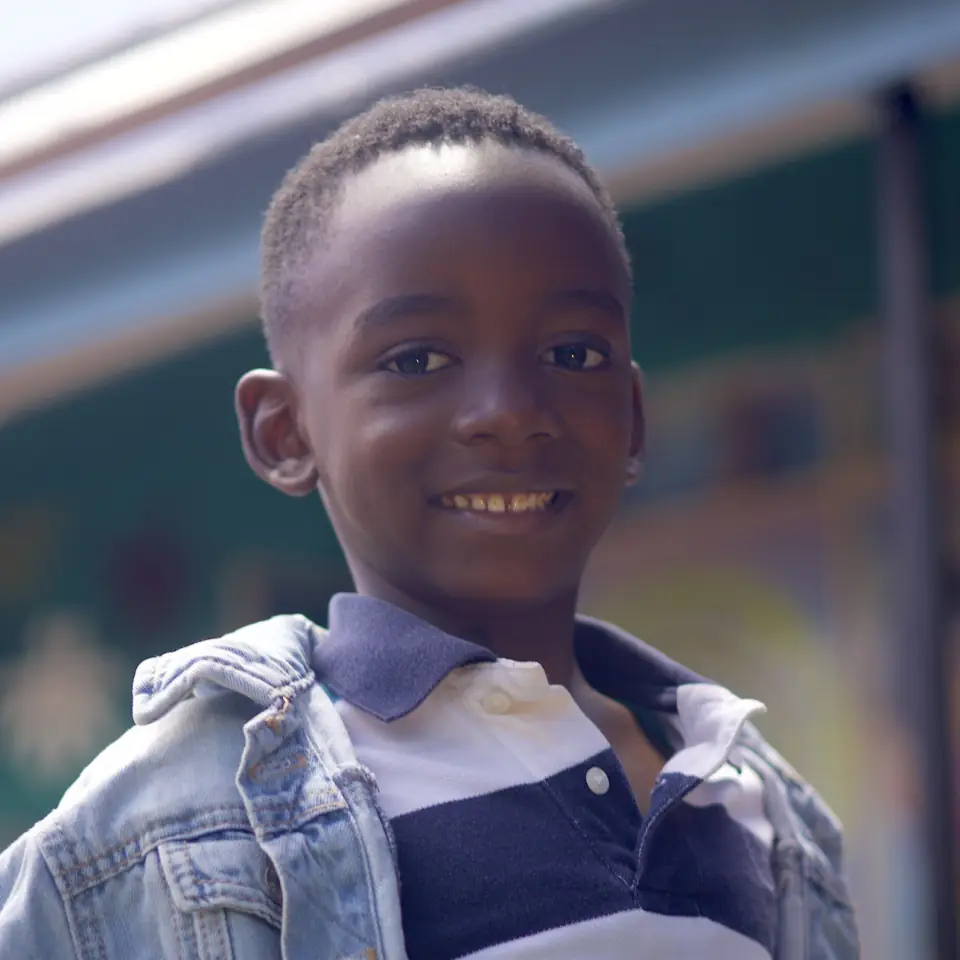
“I can put on my shoes by myself, sometimes people don’t let me try.”
Insight 4
Our children are raised by a village
A child’s world is held by many people: parents, grandparents, teachers, neighbours and others who notice, care and step in.
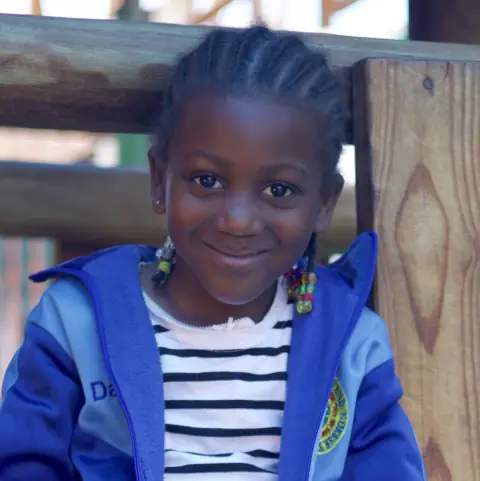
“Playing with my granny is my favourite because she laughs with me.”
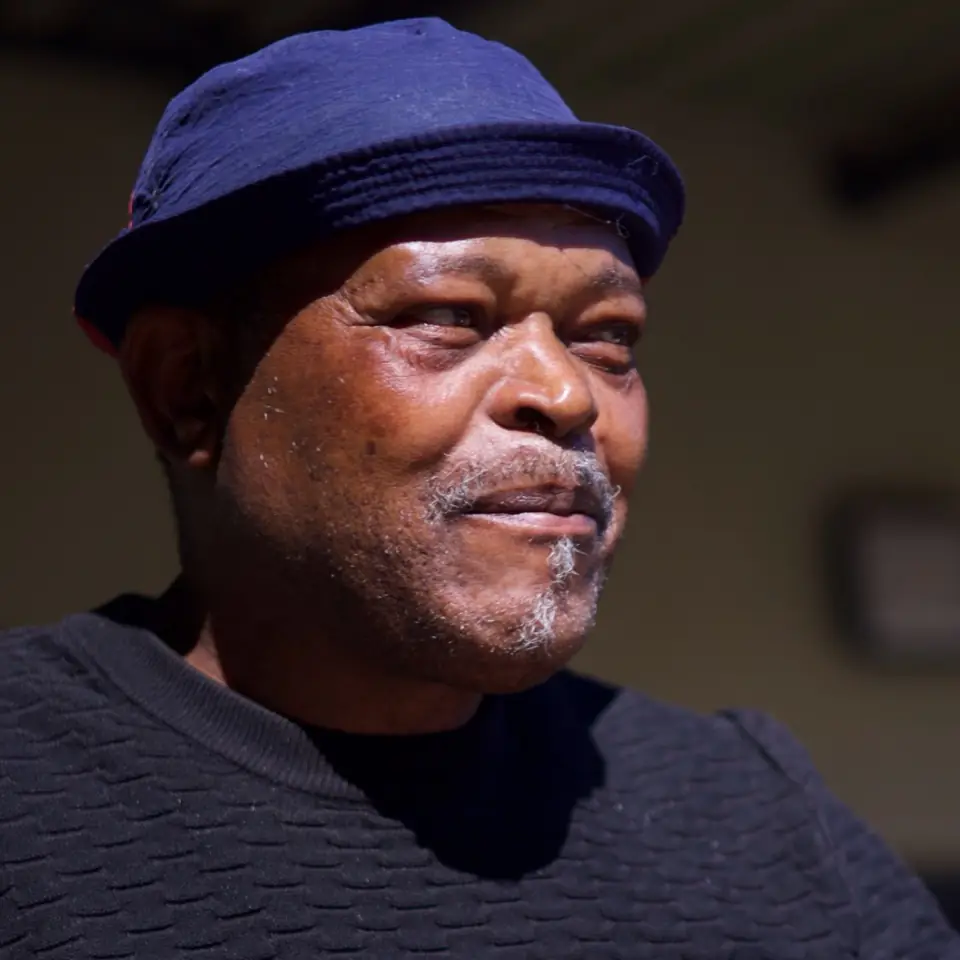
“I use my old-age grant money to make sure there’s food on the table.”
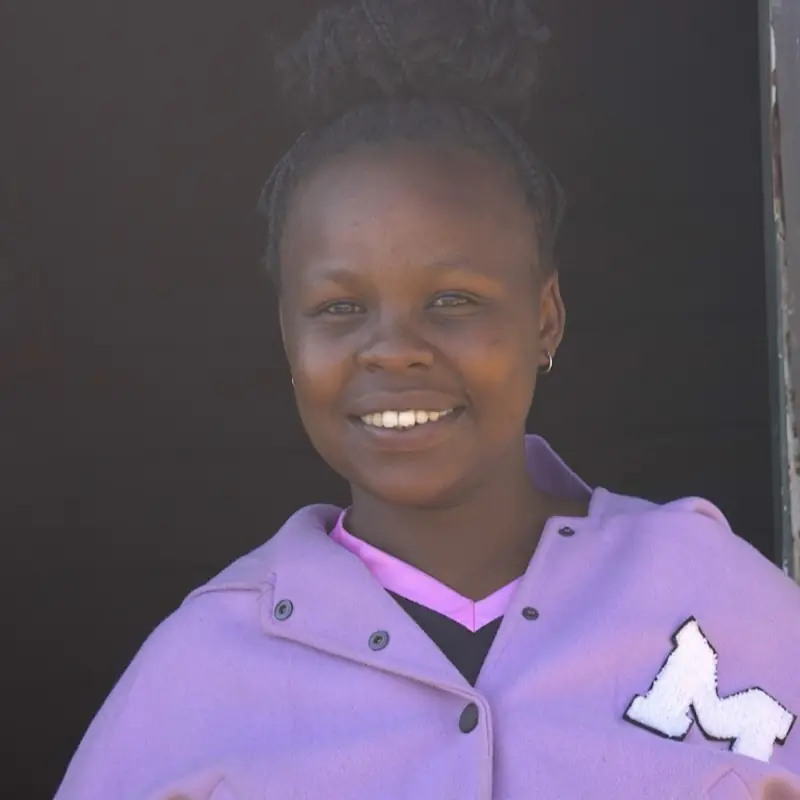
“Some days, when I need help, the gentleman who lives in the shack across the way also helps me.”
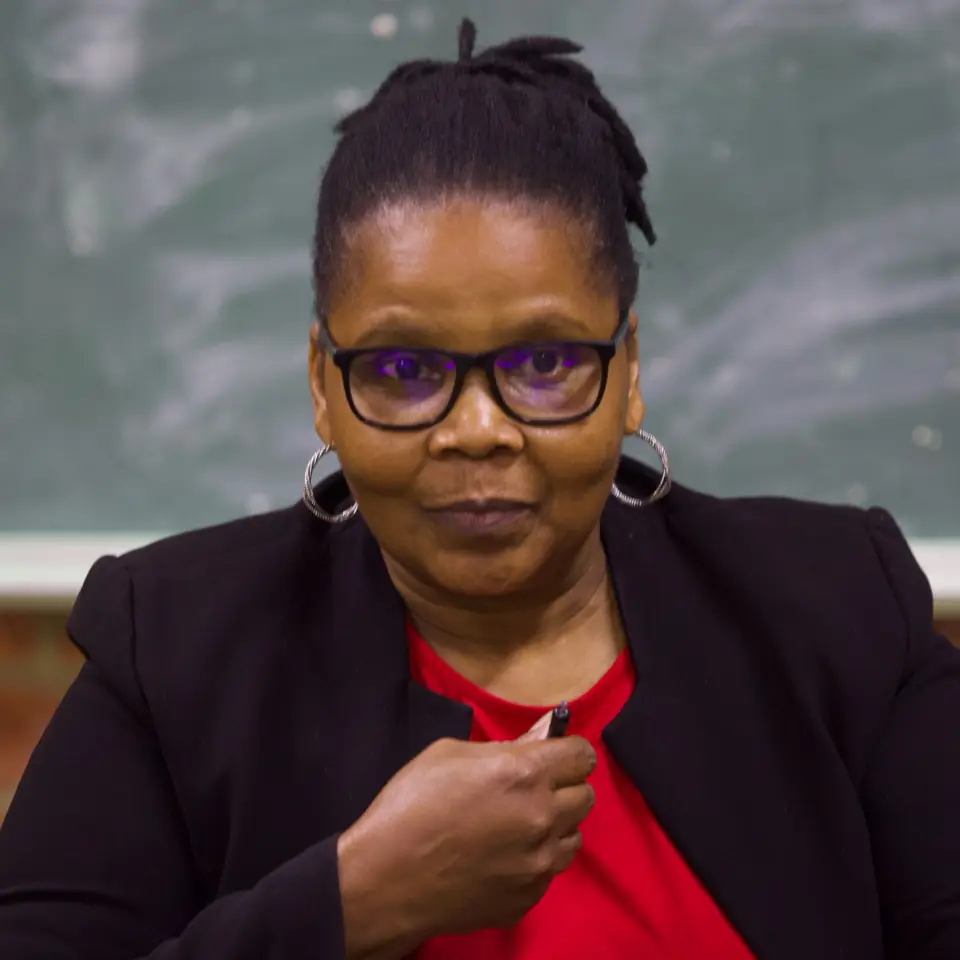
“We still need a setup where a child is surrounded by people, not surrounded by money, full stop.”
Insight 5
Our children have a place of their own
An early learning centre can be more than somewhere a child spends the day. It can be a safe, familiar place for the child and a doorway to support for the whole family.
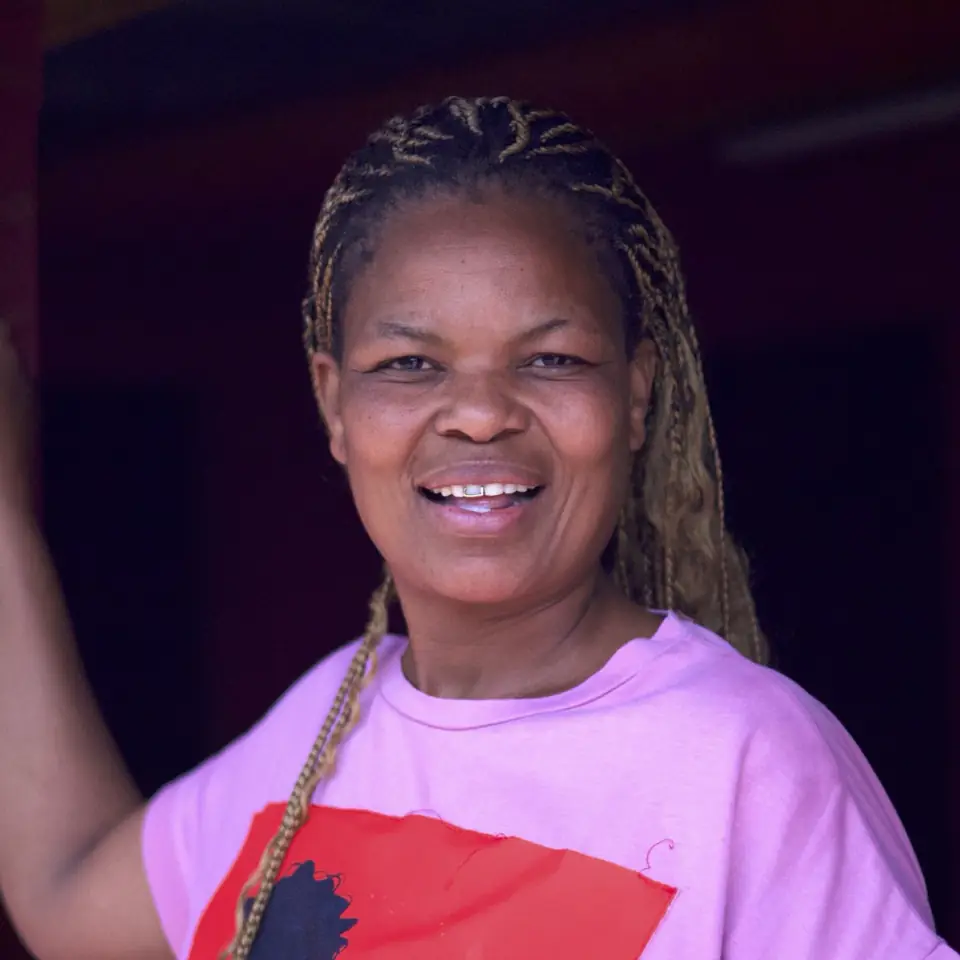
“A child who goes to creche seems to learn quicker and is less shy… My child is confident!”
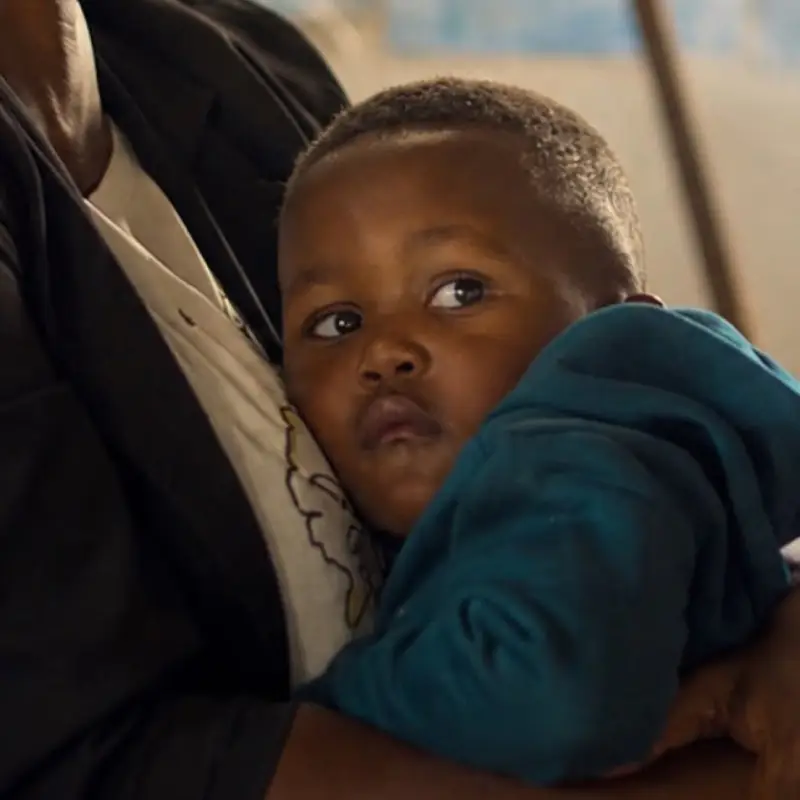
“Love is important, and not just from a parent. When they come to the creche, they are loved by the teachers…”
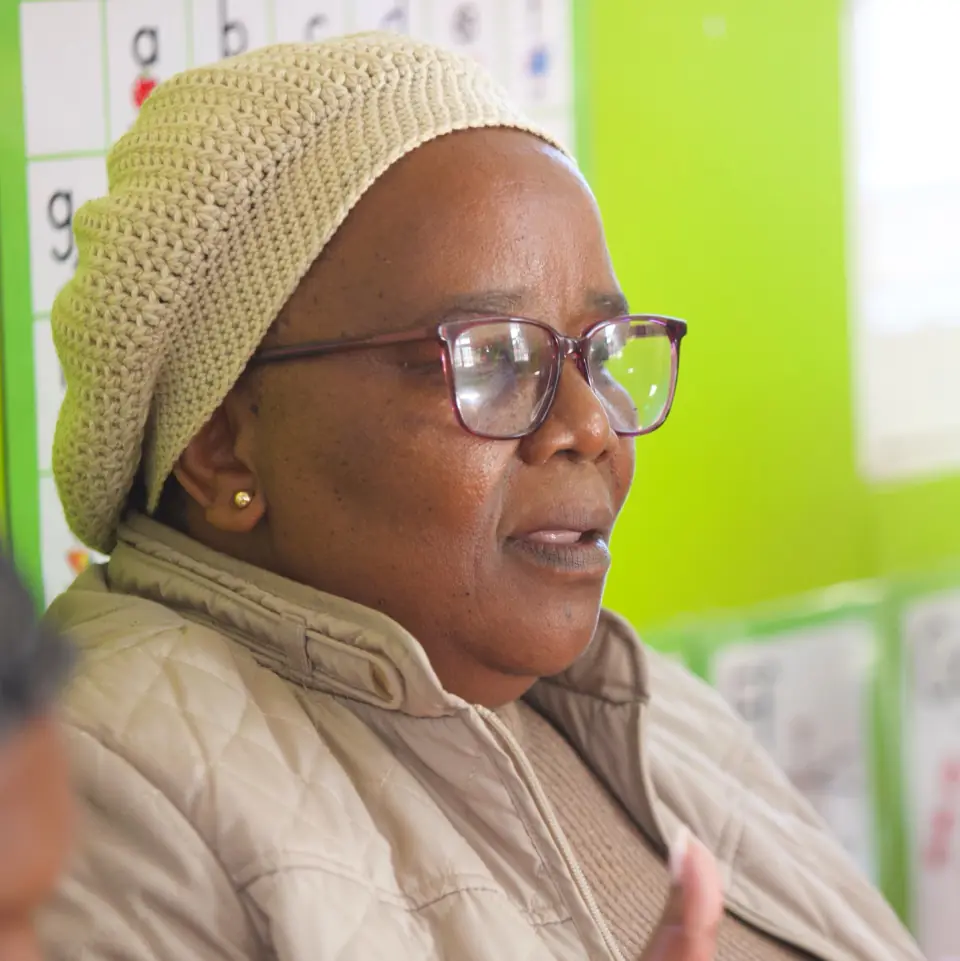
“Most parents don’t actually know there are other services available beyond [the centre] itself… They usually find out about these through the crèche.”
What South Africans are already saying online
The listening sessions are not happening in isolation. A TikTok narrative audit found that the strongest early learning content is already coming from parents, practitioners, Gogos, fathers and community organisations rather than institutions.
TikTok impressions by theme
- Family, parenting and everyday care11.4M
- Government support and services4.4M
- Child development and toddler life3.0M
- Community care and Ubuntu2.3M
- Educator and practitioner voices1.9M
- Learning through play1.1M
Source: Bana Pele TikTok Narrative Audit by Boniswa Sidwaba, Culture, Digital and Brand Transformation Strategist, 1 January to 31 July 2026 (Syncly social listening)
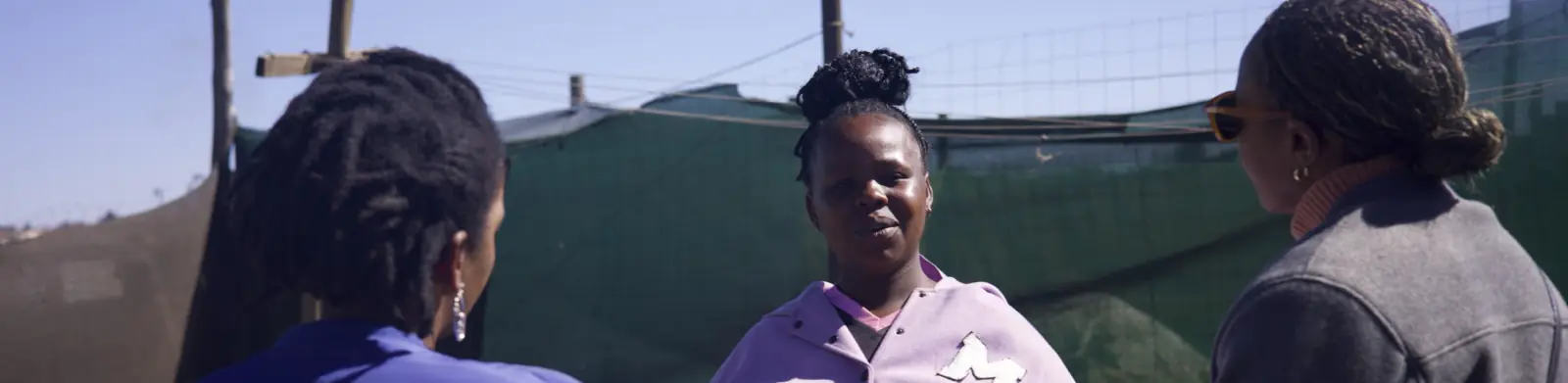

“South Africans are already framing childhood through love, pride, resilience and Ubuntu; they don’t need convincing that childhood matters. But those conversations lack a shared anchor. Bana Pele can help connect and anchor them.”
Boniswa Sidwaba, Culture, Digital and Brand Transformation Strategist